Following The Lancet’s series on breastfeeding, published on 30 January, reports in the press largely focused on Britain having “the worst breastfeeding rates in the world”. We knew that wasn’t quite right – rates of starting breastfeeding are relatively high, but they drop off rapidly. Yet, at the same time, the UK is experiencing profound cuts to breastfeeding support services – one of the very things needed to get those breastfeeding rates rising.
So, we organised an Open Letter calling on all four governments of the UK to safeguard public health budgets and end those cuts. The letter also outlines the series of measures needed to improve breastfeeding – rates, duration, and experiences. We are delighted that the letter has been signed by midwives, health visitors, lactation consultants, infant feeding leads, GPs, paediatricians, breastfeeding counsellors, peer supporters, university researchers, and others working in the area of baby feeding and health.
74 percent of mothers initiated breastfeeding 44 percent of mothers were still breastfeeding at 6–8 weeks
– Public Health Outcomes Framework (England) 2014/15
90 percent of women who stop breastfeeding in the first six weeks report giving up before they wanted to
– David Bull, Executive Director UNICEF UK
Most mothers in the UK want to breastfeed, yet most mothers stop breastfeeding before they want to. Why?
The fact is that while breastfeeding is natural, mothers need skilled support to be able to breastfeed. Yet many of the health professionals who work with mothers and babies do not have the knowledge or skills to help them.
Indicator 5 of the WBTi examines how well healthcare systems support breastfeeding. It looks in detail at the training of all health professionals who interact with mothers and babies – midwives, health visitors, GPs, paediatricians, lactation consultants and others – both before and after they qualify in their profession. You can see the full education checklist here.
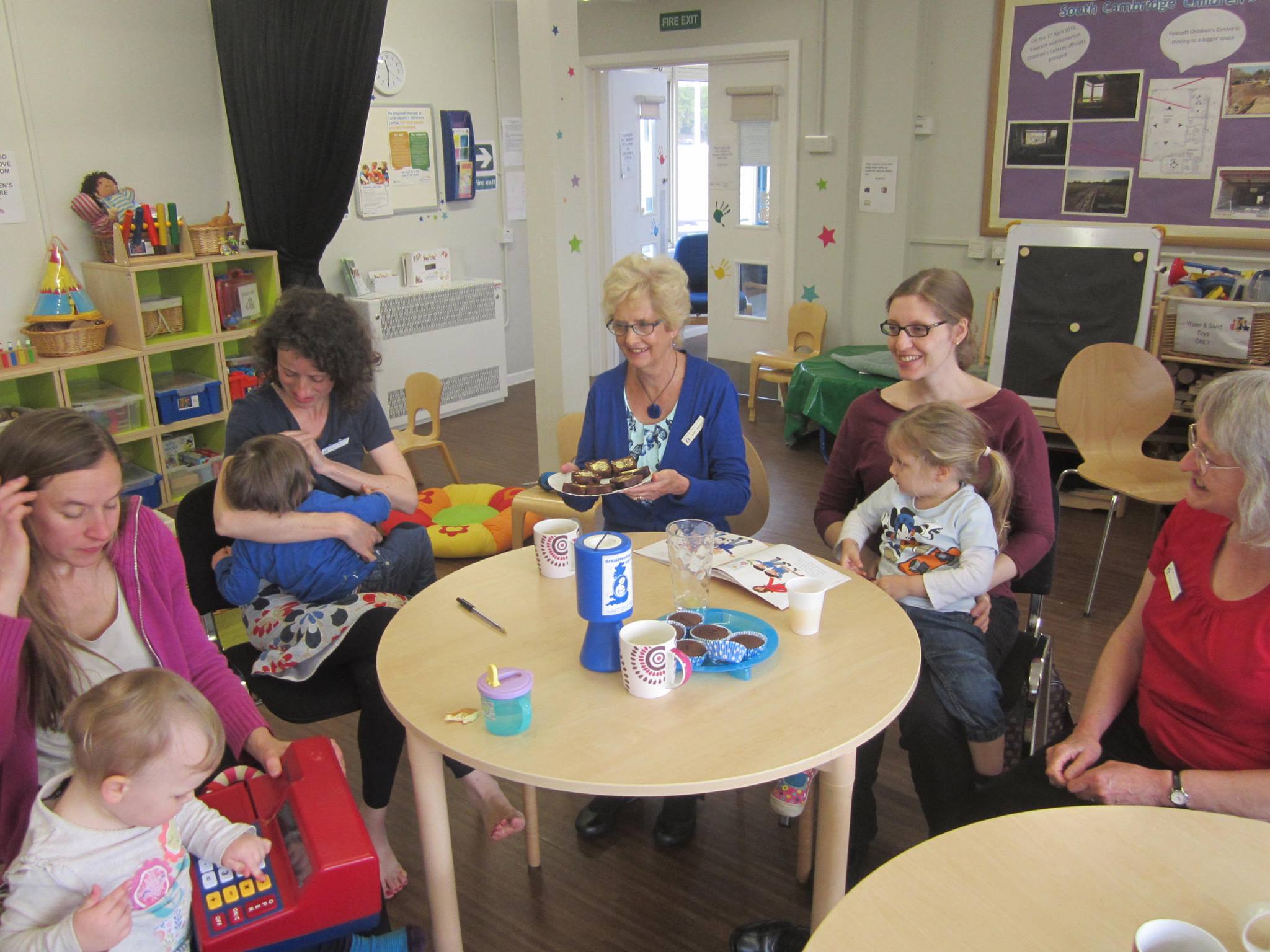
Support for mothers comes from many sources, not just health professionals. It can come from family, friends, the community at large, and particularly breastfeeding peer-support groups. In the UK, these are run by organisations like the Association of Breastfeeding Mothers, Breastfeeding Network, La Leche League, NCT, as well as by the NHS itself. Mothers who have breastfed their own babies – and who have received training to provide breastfeeding support – are able to provide valuable help to new mothers.
In the UK, just 1 percent of babies are exclusively breastfed for the recommended six months. Common reasons that mothers give for stopping breastfeeding include:
finding breastfeeding painful
concerns about their milk supply
conflicting advice from health professionals
lack of support
Trained support is needed at all levels, from peer supporters to lactation consultants. Click here for details of the different roles.
Peer supporters are “informed friends” who can help mothers understand what’s normal and help with many common breastfeeding concerns. They offer a compassionate and empathetic ear to new mothers.
This importance of this community-level support is recognised in Indicator 6 of the WBTi, which looks in detail at access to skilled mother support and community outreach. Good peer-support programmes can increase the length of time that mothers exclusively breastfeed their babies. In other words, they can help mothers who want to breastfeed to carry on for as long they choose.

 It’s been a busy week for the WBTi UK team.
 Breastfeeding trends (UK)