Adjournment debate in UK Parliament on infant feeding

Adjournment debate in UK Parliament on infant feeding

On 1 July, Chichester MP Jess Brown-Fuller led her first adjournment debate in the House of Commons Chamber. 

She raised key concerns with the Government, calling for a national strategy for England. In her role as chair of the All-Party Parliamentary Group (APPG) on Infant Feeding she focuses on specific policy areas, beyond her constituency work. She aims to hold the government to account, by raising identified gaps in policy with the relevant government minister. Such debates apply pressure to increase accountability so may lead to a change in the law. 

Jess highlighted her own positive experience of a network of community support when her children were born a decade ago but which is now, at best, patchy or non-existent. She urged the government to implement all eleven Competition and Markets Authority (CMA) final report recommendations to protect families from the current unacceptable exploitation by the infant formula market.

Several MPs supported the debate by sharing both their own experiences and stories from constituents about the importance of skilled breastfeeding support.

WBTi in Parliament

For the first time, the WBTi report was mentioned by a minister on the floor of the House of Commons. Ashley Dalton, Parliamentary Under-Secretary of State for Public Health and Prevention in the Department of Health and Social Care, replied on behalf of the government:

 “We recognise the concerns raised in the World Breastfeeding Trends Initiative’s United Kingdom report and are considering the recommendations” and “we know through the report that England scores poorly, and we want to change that.” See Column 260 in the Hansard report of the debate.

MPs who attended:

Maya Ellis, Labour MP Ribble Valley

Jim Shannon, DUP MP Strangford ( Northern Ireland ) 

Connor Rand, Labour MP Altrincham and Sale West

Samantha Niblett, Labour MP South Derbyshire

David Reed, Conservative MP Exmouth and Exeter East

David Chadwick, Liberal Democrat MP Brecon Radnor and Cwm Tawe (Wales)

Dr Danny Chamber, Liberal Democrat Winchester
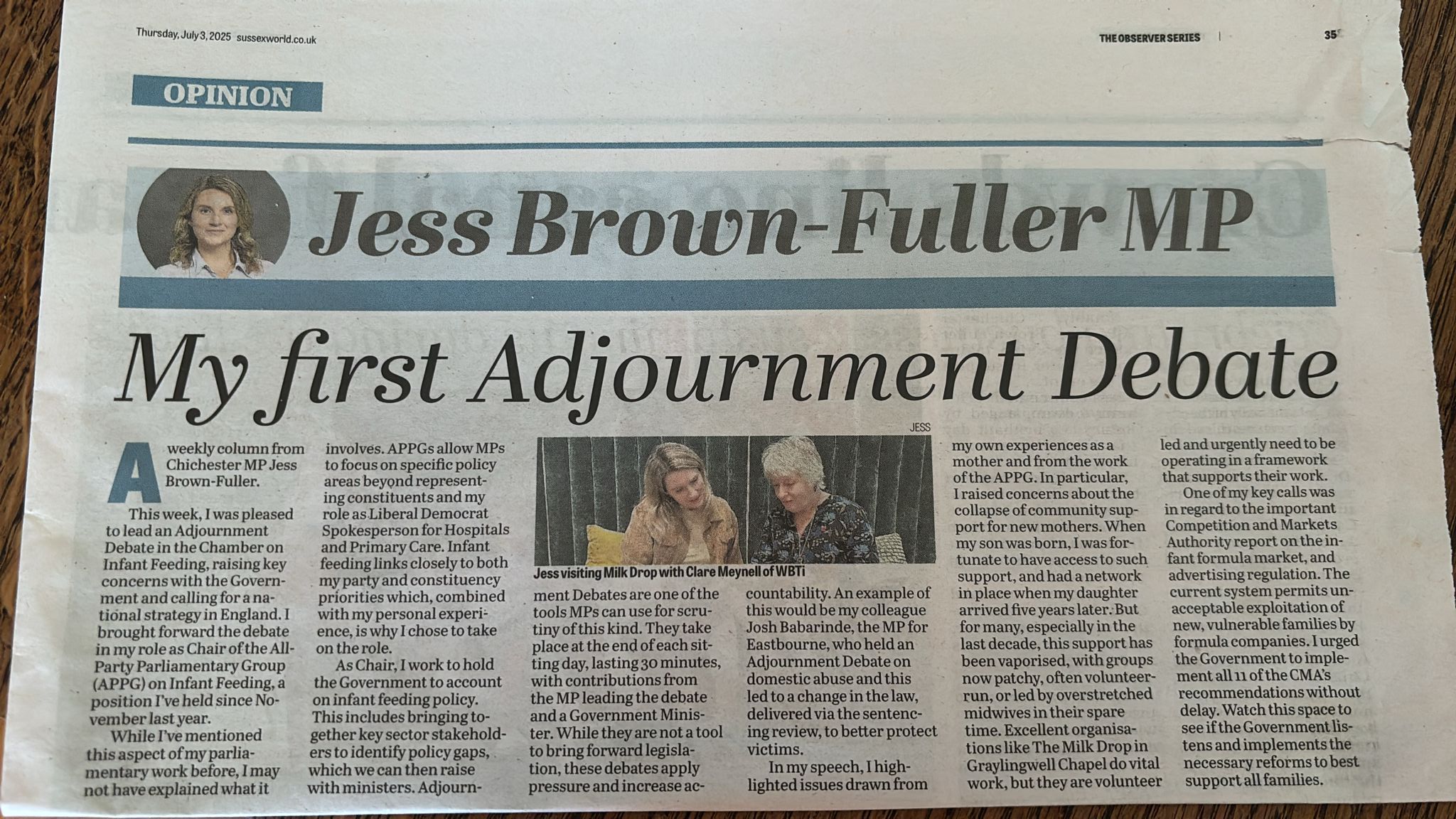
Article in the Sussex Express

Media follow-up

An article in The Independent on 11th August by journalist Abbie Llewellyn followed up on the Adjournment Debate.

Other outlets which picked up on the WBTi Report launch and the debate:

ITV Regional News interviewed Jess Brown-Fuller regarding the outcome of the CMA report, (a market study on infant formula and follow-on formula) set to be released on 1st September 2025.

The i Paper ran an article by journalist Emma Morgan on infant formula marketing.

Parliament News magazine ran a piece by Jess Brown-Fuller MP: Building the ‘healthiest generation ever’ starts with making sure every child has a fair start in life.

The Nursing Times published an article about the WBTi Report launch and policy event, hosted by Jess Brown Fuller, highlighting quotes from iHV CEO Alison Morton, Vicky Sibson of First Steps Nutrition Trust, and Jess Brown-Fuller.

The British Medical Journal on 26 June included a further news article by Gareth Iacobucci, about the WBTi launch and our Call to Action for the government to implement the CMA recommendations in full: “Formula milk: Overpriced and misleading products are risking child health, say campaigners.” BMJ 2025; 389:r1333.

Other recent relevant contributions by Jess Brown-Fuller MP to Parliamentary debates 

Prior to the Adjournment debate on 1st July there was a Parental Leave Review debate led by Justin Madders MP, the Parliamentary Under-Secretary of State for Business and Trade. Various members of the APPG on Infant Feeding attended the meeting. Jess Brown-Fuller asked about the impact of breastfeeding policies on mothers returning to work. Despite the WBTi findings that mothers are struggling with continuing to breastfeed upon return to work, Justin Madders explained that this fell slightly outside the scope of the review but he was happy to correspond on the matter.

On 7th July there was a debate on Giving Every Child the Best Start in Life Strategy, led by Bridget Phillipson MP, Secretary of State for Education. Jess Brown-Fuller asked for confirmation that Best Start centres will be firmly rooted in evidence-based feeding support. The Secretary of State gave an assurance. 

Photo credit: Office of Jess Brown-Fuller MP

Jess Brown-Fuller MP looking at the WBTi Report with Clare Meynell

Author: Clare Meynell RM (rtd), IBCLC

Clare had a long career as a midwife and infant feeding lead achieving the UNICEF UK Baby Friendly Initiative Gold award accreditation at her local hospital. Currently, with Helen Gray, she jointly coordinates the UK WBTI working group and co-presented the first report for the UK in Parliament in November 2016 and the second in 2024.

Clare still volunteers her knowledge and experience at a regular mother and baby support group. 

Her focus recently has been to create “Actions for Change” through the WBTi report recommendations so that the next generation of mothers are enabled to achieve their personal breastfeeding goals and that society better understands the health-giving properties of human milk as the physiologically normal first food for babies. 

Presentation at the APPG on Infant Feeding

Presentation at the APPG on Infant Feeding

WBTi UK Steering Group members, Helen, Clare, Alison and Patricia, were very pleased to be invited to give a presentation on the 2024 Report to the All-Party Parliamentary Group (APPG) on Infant Feeding on 18 June, 2025. This APPG, an informal cross-party group, is hosted by Liberal Democrat MP for Chichester, Jess Brown-Fuller, who is a staunch advocate for breastfeeding. Meetings are quarterly.

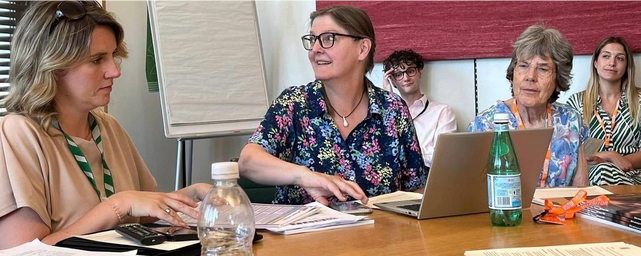
(left to right) Jess Brown-Fuller MP, Helen and Patricia during the presentation

The hybrid event was held in Portcullis House, which is close to the Houses of Parliament and overlooks the River Thames.

At the meeting, Helen and Patricia gave an overview of the Report’s findings. This triggered a range of questions from the audience in the room and online. Attendees included Labour MP for Ribble Valley, Maya Ellis, and Liberal Democrat MP for mid-Sussex, Alison Bennett, along with representatives of Royal Colleges and local public health teams, as well as the breastfeeding support organisations.

(left to right) Jayne Joyce and Emily Lunny (LLLGB), Helen Gray and Patricia Wise (WBTi Steering Group) and Katie Pereira-Kotze (First Steps Nutrition Trust)

Presentation title slide

APPG meetings

If you would like to be notified about future Infant Feeding APPG meetings, please contact Edmund Legrave, Parliamentary Assistant for Jess Fuller-Brown: edmund.legrave@parliament.uk

Author: Patricia Wise

Patricia Wise is an NCT Breastfeeding counsellor and a member of the WBTi UK Steering Group. She has a particular interest in health professional training in breastfeeding and her e-book, Supporting mothers who breastfeed: a guide for trainee and qualified doctors, is available on the WBTi website. 

Seeing the world through babies’ eyes

Seeing the world through babies’ eyes

This week (7- 12 June) is Infant Mental Health Awareness Week and the theme is ‘20:20 vision: Seeing the world through babies’ eyes’. The Week is led by the Parent-Infant Foundation (PIF) and the First 1001 Days Movement, a collaboration of relevant organisations with the PIF as secretariat, which is being launched during the week.

What is infant mental health? It is the emotional wellbeing of babies. The Movement’s vision is that ‘every baby has loving and nurturing relationships in a society that values emotional wellbeing and development in the first 1001 days, from pregnancy, as the critical foundation for a healthy and fulfilling life.’

What babies want is what they need and these needs are basic. As obstetrician Grantly Dick-Read  wrote in the mid 20th century:  

“The newborn has only three demands. They are warmth in the arms of its mother, food from her breasts, and security in the knowledge of her presence. Breastfeeding satisfies all three.”

They do also need to receive attention from other humans. If their needs are usually met, babies can form secure relationships (attachment) with their caregivers. Usually, there is one primary caregiver, most commonly the mother. Attachment theory was developed by the psychoanalyst John Bowlby in the 1950s. An attachment figure who cares responsively for the infant provides a secure base. It is believed that behaviours by the infant to stay close when separated, like screaming and clinging, have been reinforced by natural selection (see What is attachment theory).

Babies are vulnerable – as Donald Winnicott, paediatrician and psychoanalyst, among his other insightful quotes, stated:

‘There is no such thing as a baby, there is a baby and someone’.

However, infants are not passive as they communicate by giving cues to their needs, such as the rooting reflex when hungry. If their needs are not responded to quickly, they become upset. Dr. Edward Tronick’s ‘still face’ experiments in the 1970s showed the importance of human connection for an infant. If the parent’s face is still and unresponsive to her baby, the baby looks confused and then becomes distressed. The experiments also showed that ruptures in a relationship like this are easily repaired. Parents do not need to respond perfectly.

However, when there is repeatedly no response to a baby’s distress, as in sleep training where the baby is left alone and expected to adapt, it was found that the babies’ behaviour changed so that by the third night they were no longer crying but their cortisol (stress hormone) levels were still high so there was a mismatch between behaviour and physiology; instead of learning to self-soothe it seems as though they were giving up so in despair. 

The significance of the care babies receive is that their experiences, starting before birth, influence the neural connections that are formed in the developing brain – the ‘wiring’. A parent who is emotionally not really available to the baby (so not attuned to their needs) will find it difficult either to respond or to respond appropriately, providing an unintentional ‘still face’ or angry face. The parents could be ill, depressed, addicted, suffering domestic abuse, desperately worried about their financial situation, overloaded with responsibilities………It is therefore crucial for a society to care for parents so that they can be emotionally available to their children.

Feeding is a crucial part of nurturing care and breastfeeding facilitates the process.There is considerable evidence that not being breastfed is linked to poorer physical health in infants (Lancet, 2016). Breastfeeding provides personalised nutrition. Antibodies and other components in breastmilk reduce the chance and severity of infections. Oligosaccharides in breastmilk feed and thus favour beneficial bacteria in the infant’s gut and this helps the development of a healthy immune system. It is difficult to allow for confounding factors in studies on breastfeeding but reviews show it is linked with better cognitive performance, which is likely to be due to the fatty acids in breastmilk. But what about any impact on emotional development? There are studies which suggest that being breastfed is associated with paying more attention to positive emotions in others.  Breastmilk contains the calming hormone oxytocin, which stimulates social interactions, and which is further released through touch and suckling, so the moods of both mother and baby benefit. Several studies indicate that mothers who are breastfeeding tend to touch their babies more, are more responsive and tend to gaze at them more, all of which will help the infant’s emotional wellbeing. The Unicef UK Baby Friendly Initiative leaflet, Building a Happy Baby, provides practical suggestions for parents to support their baby’s brain development and addresses myths and realities. 

Jones found that breastfeeding helps to protect infants from the harmful effects of maternal depression

Mothers who stop breastfeeding before they want to are at greater risk of postnatal depression (Borra et al 2014) so mothers need easy access to breastfeeding support to help them continue, thereby benefitting their babies physically and emotionally. Sadly, there are barriers to breastfeeding throughout society, as outlined in the WBTi UK report.

Parents and carers urgently need more support, especially during the stresses and isolation of lockdown and the COVID19 pandemic. We call on government to make infants and their families a high priority during the pandemic and in our plans to rebuild a stronger society.

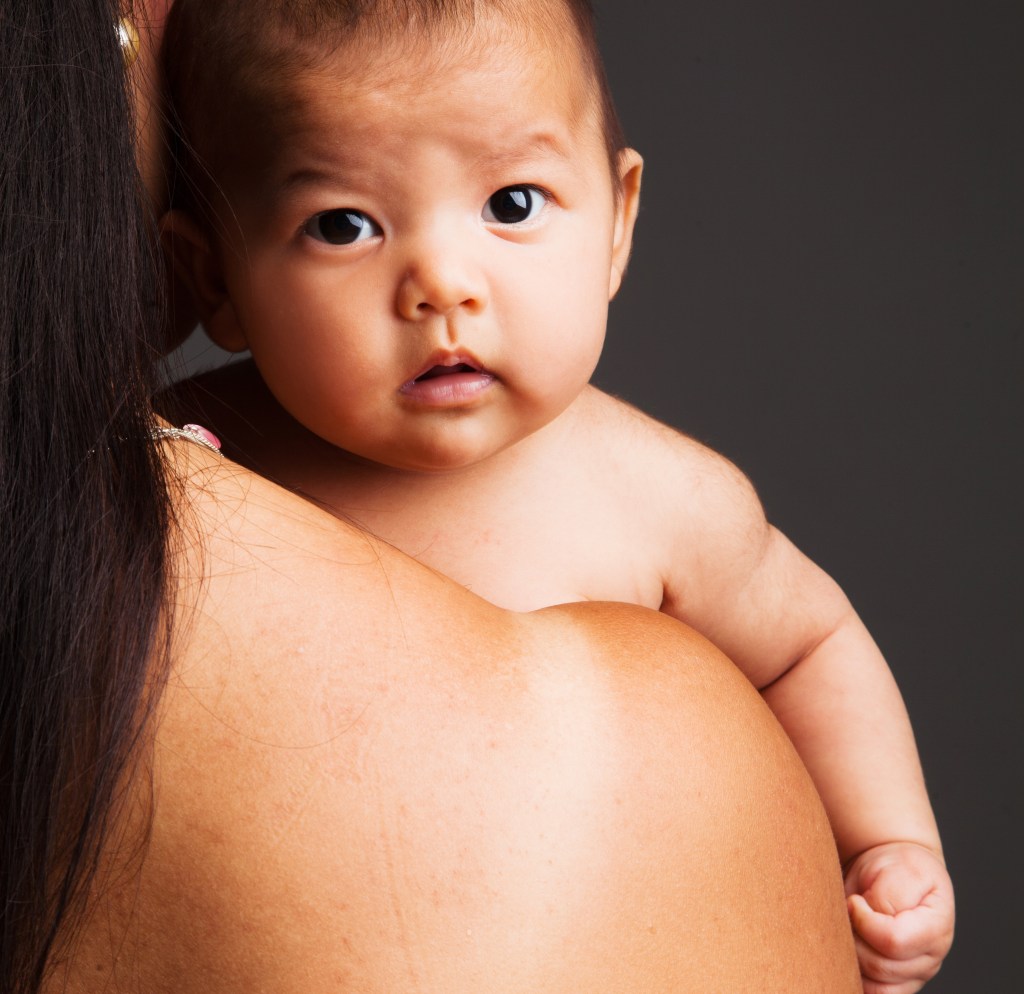
Photo used with permission

Patricia Wise is an NCT breastfeeding Counsellor and a member of the WBTi UK Steering Group

Prevention intention

Prevention intention

A Vision for Prevention

Matt Hancock, UK Secretary of State for Health and Social Care since July 2018, launched his prevention vision on 5 November.

His other priorities are to advance health technology and provide better support for the health and social care workforce. He sees prevention as having two aspects. Partly it is about keeping well physically and mentally, to prevent ill health, but  also about the environment around people, their lifestyle choices and how existing health conditions are managed. The aims are for the average person to have 5 more years of healthy independent living by 2035, and to reduce the gap between the richest and poorest. At present there is a large discrepancy in spending with £97 billion (public money) spent on treating disease and £8 billion on prevention across the UK!

The proposed actions in the vision  are:

  • “Prioritising investment in primary and community healthcare
  • Making sure every child has the best start in life (our emphasis)
  • Supporting local councils to take the lead in improving health locally through innovation, communication and community outreach
  • Coordinating transport, housing, education, the workplace and the environment – in the grand enterprise to improve our nation’s health
  • Involving employers, businesses, charities, the voluntary sector and local groups in creating safe, connected and healthy neighbourhoods and workplaces”

The Department of Health and Social Care’s (DHSC) paper is called ‘Prevention is better than cure: Our vision to help you live well for longer‘.

It states there is strong evidence that prevention works and recognises that a healthy population is both vital for a strong economy and for reducing pressure on services like the NHS (almost 10% of the national income is spent on healthcare). Average life expectancy is now 81 years, helped by:

  • advances in healthcare
  • changing attitudes so there is less stigma with some conditions
  • improvements in the environment, at home, work and in neighbourhoods
  • antibiotics and mass vaccination
  • public health programmes.

However, there are major challenges in the huge discrepancies between areas – ‘A boy born today in the most deprived area of England can expect to live about 19 fewer years in good health and die nine years earlier than a boy born into the least deprived area.’ (p.7)

Duncan Selbie, Chief Executive of Public Health England, welcomed the change of focus to more emphasis on prevention and pointed out the need for collaborative working – NHS, national government, local government, voluntary and community sector, and industry.  It will be important to monitor industry involvement to ensure that it does not create conflicts of interest, undermining health. Infants, young children, pregnant and breastfeeding mothers are particularly vulnerable, which is why the World Health Organisation developed guidance to protect them from conflicts of interest (WHO 2016 Guidance on the Inappropriate Promotion of Foods for Infants and Young Children) and other inappropriate commercial influence (International Code of Marketing of Breastmilk Substitutes, 1981, and subsequent WHA resolutions).

Improvements will depend both on encouraging individuals to choose healthy lifestyles and manage their own health, and expecting local authorities to take the lead in improving the health of their communities. The challenges of smoking, mental ill health, obesity, high blood pressure and alcolol-related harm are mentioned, along with the benefit of having a more personalised approach to health.

The section on ‘Giving our children the best start in life’ (p.20) mentions healthier pregnancies, improved language acquisition, reducing parental conflict, improving dental health, protecting mental health and  schools involvement, but infant feeding is not mentioned at all! 

However, in the Parliamentary debate on the vision (Prevention of Ill Health: Government Vision) on 5 November, Alison Thewliss MP made the case for supporting breastfeeding by investing in the Baby Friendly Initiative to bring all maternity and community services up to the minimum standard. Matthew Hancock’s reply sounds positive: ‘The earlier that we can start with this sort of strategy of preventing ill health the better, and there is a lot of merit in a lot of what the hon. Lady said.’


‘Prevention, Protection and Promotion’ at Public Health England

Earlier in the year (March 2018), Professor Viv Bennett, the Chief Public Health Nurse, and Professor Jane Cummings, the Chief Nursing Officer, came together to launch a campaign on the ‘3Ps –  Prevention, Protection and Promotion’, which is about actions to improve public health and reduce health inequalities. Breastfeeding is mentioned in the Maternity Transformation Campaign and Better Births and there appears to be increased govenment commitment to the key role breastfeeding plays in improving public health.


Directors of Public Health have a key role

The DHSC paper expects Directors of Public Health to ‘play an important leadership role’ (p.15). As an example, the Annual Report of Croydon’s Director of Public Health, published in mid-November, We are Croydon: Early Experiences Last a Lifetime, focusses this year on the first 1000 days of a child’s life.

It includes three breastfeeding recommendations:

  • Reset targets for increasing breastfeeding rates at 6 to 8 weeks and 6 months across the Borough and within particular localities
  • Achieve level 3 of the UNICEF Baby Friendly award
  • Turn Croydon into a breastfeeding friendly Borough, so women feel comfortable breastfeeding when they are out and about


How can progress on prevention occur unless it starts at the beginning – with infants? Will other Directors come up with similar recommendations?


Make London a ‘Baby-Friendly’ city

The Mayor of London, Sadiq Khan, aims to “make London a ‘Baby-Friendly’ city” in the London Food Strategy. This strategy aims to increase the health of all Londoners from infancy onwards, including supporting and normalising breastfeeding across London Transport and across government buildings and workplaces, and encouraging all London boroughs to become Unicef UK Baby Friendly-accredited in maternity and community services.


The UK government is due to publish a Green Paper on Prevention in 2019 to set out more detailed plans and, together with the NHS Long Term Plan, which is due to be published soon,  is relevant to a future with better health for all.

What can YOU do?
Sign up for our mailing list and to volunteer in our campaigns here!


30. Photo for WBTi MAINN presentation
Patricia Wise is an NCT breastfeeding counsellor and a member of the WBTi Steering Group.

Breastfeeding and the First 1000 Days: the foundation of life

Breastfeeding and the First 1000 Days: the foundation of life

Breastfeeding: The Foundation of Life

The First 1000 Days of Life (from conception to the age of two years) are a critical window in a baby’s development. The 1000 Days concept was first widely used by the World Health Organisation and UNICEF, and there are currently numerous campaigns building on that theme.*

There is currently an inquiry into the First 1000 Days by the UK Parliamentary Select Committee on Health and Social Care. This blog brings together a few of the key concepts and resources on the importance of breastfeeding during the First 1000 days.

A joint supplement on the importance of breastfeeding in the first 1001 Days was produced by the UK breastfeeding organisations in 2015, which summarises much of the evidence.

A focused briefing on the the role of breastfeeding on infant brain growth and emotional development can be found here.


Breastfeeding: cornerstone of the First 1000 Days

Human babies are born extremely immature compared to other mammals; they are completely dependent on their mothers for milk, comfort and warmth.

  • “A newborn baby has only three demands. They are warmth in the arms of its mother, food from her breasts, and security in the knowledge of her presence. Breastfeeding satisfies all three.” ~ Grantly Dick-Read

Scientific research has continued to underscore the vital role that breastfeeding and breastmilk play in the development of the human infant. See our WBTi blog series for this year’s World Breastfeeding Week, from 31st July – 7th August 2018 for a review of the myriad ways that breastfeeding influences human development.


Breastfeeding: more than just food

This is the title of a series of blogs by Dr Jenny Thomas which focuses on some of the ways that breastfeeding contributes to immune development and more. Beyond physical health and development, however, breastfeeding also plays a key role in the healthy mental and emotional development of the infant. Breastfeeding provides optimal nutrition for the first months and years of life, alongside suitable complementary food after six months, but it also supports the development of the child’s immune system and protects against a number of non-communicable diseases in later life as well.

The World Health Organization commissioned high level reviews on a range of health and cognitive outcomes which were published in a special issue of Acta Paediatrica in 2015; these formed the foundation of the Lancet Series on Breastfeeding  which was published in 2016.


The impact of breastfeeding on maternal and infant mental health and wellbeing.

Breastfeeding can help strengthen mother and baby’s resilience against adversity, and can protect infants even when their mothers suffer from postnatal depression. It supports optimal brain growth and cognitive development. Unfortunately, if mothers don’t receive the support they need with breastfeeding, this can significantly increase their risk of postnatal depression. A summary of evidence can be found here.

The role of breastfeeding in protecting maternal and infant mental health is often poorly understood – mothers who are struggling need skilled support to resolve breastfeeding problems if they wish to continue breastfeeding


What does the future hold?

It is essential that policy makers, commissioners, and researchers understand the evidence and importance of breastfeeding, so that women who want to breastfeed get any support they need. The WBTI report outlines major policies and programmes that national infant feeding strategies need to include; other research on the psychological and cultural influences on mothers’ infant feeding decisions will help policy makers to develop sensitive and sound policies and programmes to support all families.

In the end, it will be essential that families themselves are heard, in order to create the support systems that our society needs.


*Unfortunately a number of infant milk and baby food companies have jumped on the “1000 Days” bandwagon too, despite the fact that breastfeeding is the centrepiece of the original 1000 Days concept, and replacing breastmilk with formula or baby food actually removes that fundamental building block from a baby’s development.


Helen Gray IBCLC photoHelen Gray MPhil IBCLC is Joint Coordinator of the World Breastfeeding Trends Initiative (WBTi) UK Working Group. She is on the national committee of Lactation Consultants of Great Britain, and is also an accredited La Leche League Leader. She is a founding member of National Maternity Voices. She represents LLLGB on the UK Baby Feeding Law Group, and serves on the La Leche League International special committee on the International Code.

Shared Parental Leave and the right to breastfeed on return to work

Shared Parental Leave and the right to breastfeed on return to work

Guest blog by Rosalind Bragg, Director of Maternity Action

Maternity Action’s work centres on protecting the rights of pregnant women and new mothers in the workplace. As a member of the WBTi Core Group, Maternity Action was responsible for gathering most of the information on Indicator 4, “Maternity Protection in the workplace.” They have very kindly allowed us to republish their blog on the current status of breastfeeding in the workplace here during UK National Breastfeeding Weeks. 

The original blog can be found on Maternity Action’s website here, along with a range of resources on maternity rights. Follow Maternity Action for updates on their campaigns on this and other important maternity rights.


The right to breastfeeding breaks and facilities is a gap in the policy framework to support new parents to balance work and family responsibilities.  The current review of Shared Parental Leave policies is an opportunity to remedy this omission.

On May 15, we presented to the All Party Parliamentary Group on Infant Feeding focusing on Maternity Action’s campaigning against pregnancy and maternity discrimination and the particular challenges facing breastfeeding women in the workplace.

Women in the UK who wish to combine work and breastfeeding have very weak legal protections.  Health and safety regulations provide breastfeeding women with the right to a place to rest and to a health and safety risk assessment.  While some employers may offer regular breaks to breastfeed or express milk and a private space in which to do so, these are not required by law.

For most women, flexible working requests are the only legal avenue to seek adjustments to their working conditions to facilitate breastfeeding.  Employers must seriously consider flexible working requests but can refuse them if they have a good business reason for doing so.  On our advice line, we regularly hear from women struggling to negotiate flexible working arrangements on return to work.  Employers can, and often do, reject reasonable requests for adjustments to working conditions.

Many of the UK’s trading partners have more constructive approaches to balancing breastfeeding and work.  Germany provides paid breastfeeding breaks and facilities while the US provides unpaid breaks.  Australia offers an alternative form of protection by prohibiting discrimination on grounds of breastfeeding.  These are just a few examples.  It is unsurprising that the recent World Breastfeeding Trends Initiative (WBTi) review rated the UK 67th out of 91 countries on its law, policy and programmes that support breastfeeding women.

The current review of the Shared Parental Leave scheme provides an opportunity for Government to reconsider its approach to breastfeeding and work.  In 2013, when debates were underway on the new scheme, Maternity Action campaigned for a statutory right to breastfeed on return to work.  While this did result in ACAS guidance on the issue, legal protections were not forthcoming.

It is extraordinary that a scheme to encourage parents to share leave from their child’s first weeks should pay so little attention to breastfeeding.  The Department of Health recommends exclusive breastfeeding for six months and breastfeeding in conjunction with solid food thereafter.  Given the absence of legal protections for breastfeeding women, the vast majority of women who share leave will need to stop breastfeeding prior to return to work.  This reduces the number of women prepared to share leave with their partner and also contributes to the UK’s low rate of breastfeeding.

Whether women breastfeed or not, and for how long, is a decision for each woman to make.  The role of the law is to remove impediments to breastfeeding, enabling women to make decisions based on their own needs, not the convenience of their employers or other equally irrelevant factors.  It is long past time that UK employment law caught up with that of its trading partners and provided formal legal protection for breastfeeding on return to work.


Protecting Infants and Young Children: WBTi Forum on Planning for Emergencies in the UK

Protecting Infants and Young Children: WBTi Forum on Planning for Emergencies in the UK

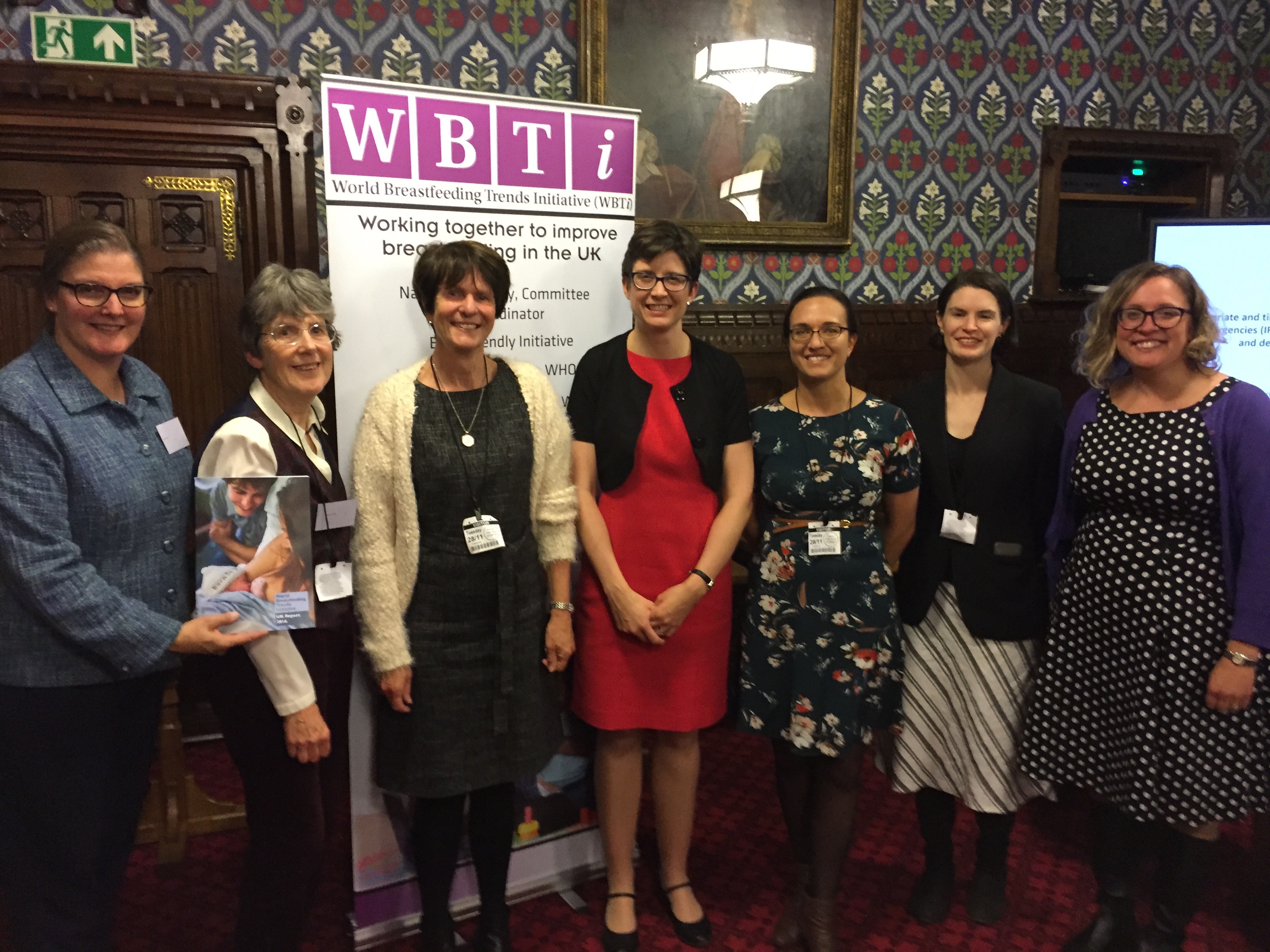
On Tuesday 28th, Dr Ruth Stirton of the University of Sussex joined forces with the World Breastfeeding Trends Initiative (WBTi) Steering Group, along with Marie McGrath of the Emergency Nutrition Network, to present on the topic of safe provision for feeding infants and young children in emergencies in the UK. This WBTi UK first anniversary forum was hosted by Alison Thewliss MP, chair of the All Party Parliamentary Group on Infant Feeding and Inequalities, at the Houses of Parliament.

Participants included infant feeding specialists and policy makers, emergency planners, international academics, and third sector organisations such as UNICEF UK Baby Friendly Initiative and Save the Children.
We heard from Clare Meynell and Helen Gray (WBTi UK) on the findings, gaps and recommendations from the WBTi UK report surrounding infant feeding in emergencies. Ruth Stirton presented on the legal and regulatory framework and the minimal place of infants and young children in the current framework. Marie McGrath then described the recently published 2017 Operational Guidance on Infant Feeding in Emergencies, and explored how it might be adapted to the UK context.

WBTI Forum 2017 discussion mapping LCGB Faulkner

The audience engaged in lively group discussion, considering:

  • the issues in the immediate response phase
  • how best to support formula feeding families in emergency situations
  • mapping the existing local capabilities that emergency plans could call upon
  • issues surrounding communication with the public and front line responders about how best to support infants and young children in emergencies
  • the wider policy framework and how best to ensure that infants and young children are specifically provided for
  • issues for the longer term recovery phase after the emergency

A report will be published in 2018 making recommendations for improvements. If you would like to contribute written comments to the report, please look at the presentations and group materials and send comments by email to Ruth Stirton r.stirton@sussex.ac.uk

WBTi Forum 2017 and GPIFN THewliss
WBTI Steering Group Helen Gray, Patricia Wise, Alison Spiro, (Clare Meynell in absentia), with host Alison Thewliss MP, and Dr Louise Santhamum and Dr Rosemary Marsh (GP Infant Feeding Network) and Dr Ruth Stirton (University of Sussex Law School)

Ruth Stirton, University of Sussex

Helen Gray, WBTi UK

Clare Meynell, WBTi UK

Alison Spiro, WBTi UK

Patricia Wise, WBTi UK


References and resources:

Presentations and group discussion materials

Storify with tweets from the event at Parliament:

Operational Guidance on Infant Feeding in Emergencies 

World Health Assembly Resolution 63/23 

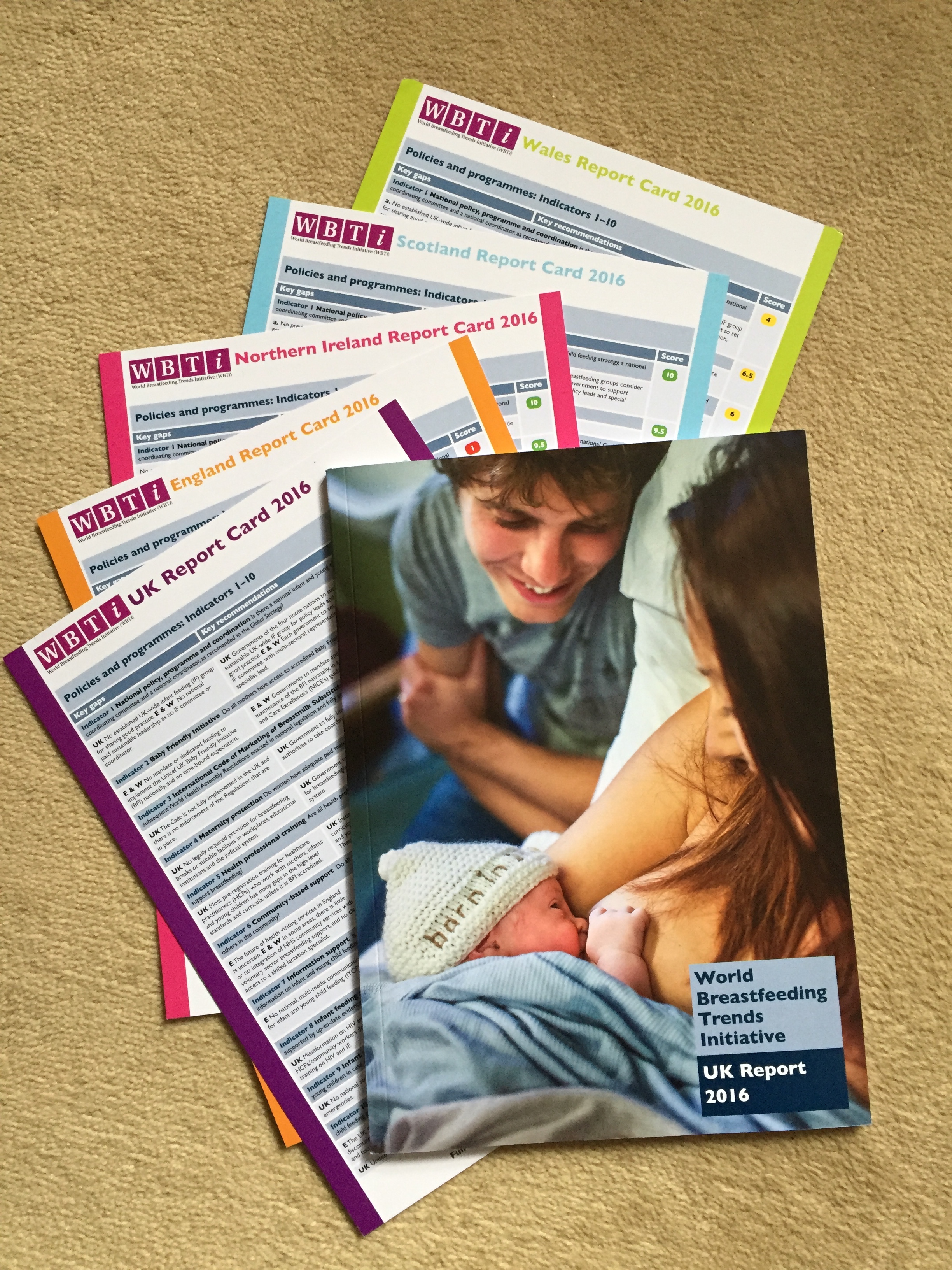
WBTi UK report


Blog posts:
Overview of WBTi Indicator 9, Infant Feeding in Emergencies

Our Guest blog on UNICEF UK Baby Friendly 

Safely Fed UK Facebook page and social media campaign 


WBTi UK report – first anniversary celebration – a Forum

WBTi UK report – first anniversary celebration – a Forum

It’s a year since the first WBTi UK report was launched in November 2016 at the Houses of Parliament, giving the first snapshot of the state of breastfeeding support in the UK across the indicators. The report has been used as a basis to advocate for improvements in legislation, in strategy, and in training. It has been shared with MPs, with government ministers, as well as shared widely throughout the breastfeeding community through our website.

During the year, we have hosted monthly blogs on our website, focussing on the various indicators in turn. We have an active social media planning group that publicises the WBTi findings, our blog and activities. The team have also produced numerous journal articles, posters and conference presentations in the UK and beyond. Our talented team of volunteers have also developed a video  about our findings. We continue to contribute to ongoing consultations about improving health professional training in infant feeding

OLYMPUS DIGITAL CAMERA

Policy Forum: Protecting Infants in UK Planning for Emergencies

On November 28th 2017, we will be holding a policy forum at the Houses of Parliament, in collaboration with Ruth Stirton of the University of Sussex and hosted by Alison Thewliss MP: “Protecting Infants in UK Planning for Emergencies.” This event both celebrates the anniversary of the report and aims to achieve change in Indicator 9, “Infant and young child feeding during emergencies,” which is the policy with the lowest scores across the UK. At present, there are no UK-wide or national strategies addressing the issue and it is not explicitly mentioned in local planning.

Unicef UK Baby Friendly Initiative

The jewel in the crown of breastfeeding support in the UK is the Unicef Baby Friendly Initiative. All maternity units in Scotland and Northern Ireland are accredited and most in England and Wales are working towards it. Many community NHS trusts and boards are also on the ladder towards accreditation. Some neonatal units, university midwifery and health visiting/specialist community public health nursing courses are also involved. All are helping to raise the standards of infant support provided by these health professionals.

Cuts to breastfeeding support around the country

Sadly, the WBTi assessment found that cuts in infant feeding lead posts, drop-ins and peer support programmes as well as specialist services were occurring and this has continued. For example, Blackpool’s service was decommissioned in June and the service in Kent is under threat. It appears that there is an assumption by some commissioners that health visitors can provide a sufficient service. Health visitors do have a responsibility to provide effective support with infant feeding, and should do so at statutory visits and other contacts. However, a significant number of mothers also require specialist support, which needs time as well as skill, and all mothers can benefit considerably from the social support that trained peer supporters can provide. It seems it is not well understood how challenging some breastfeeding situations are and the amount of training required to help effectively in those situations.

Ask YOUR MP to join the Call to Action!

These cuts in services for women and babies are likely to have a negative impact on Baby Friendly accreditations. Unicef UK is holding an event for MPs at the Houses of Parliament on December 5th, asking them to pledge their support for breastfeeding. How would it be if every current MP were contacted? Are you willing to contact your MP?


Protecting all infants in emergencies: Indicator 9 in the WBTi report

Protecting all infants in emergencies:  Indicator 9 in the WBTi report

The World Breastfeeding Trends Initiative (WBTi) assessment looks at the state of national policy, programmes and planning around infant and young child feeding (IYCF) in each country.

Indicator 9 focuses on national planning for the protection of infants and young children in case of emergency: is there a strategy in place to ensure that suitable nutrition and support is quickly put in place for families in the event of a disaster?

Infants and young children are our most vulnerable citizens in any emergency situation. They need protection, as their immune systems are immature, they have specific nutritional requirements, and they can’t wait several days for an emergency response to meet their needs, especially in a high-risk setting.

Disasters and emergencies in the UK

The UK is not immune from disasters. These can range from storms and flooding, to catastrophic fires and terrorist incidents. 

Ind 9 Trickey Gray

Helen Gray from the WBTi team has co-written, with Heather Trickey, a blog on the need for the protection of infants and young children in emergency situations

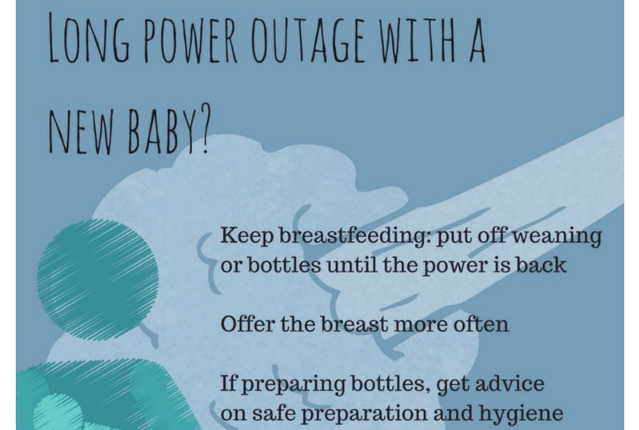
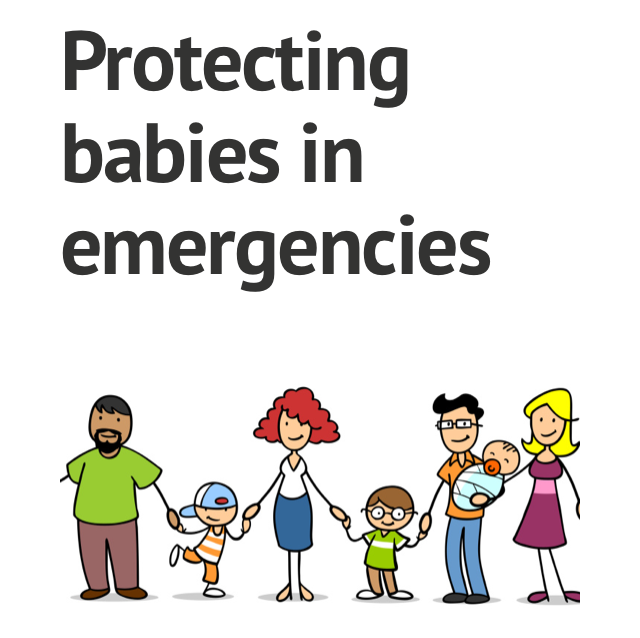
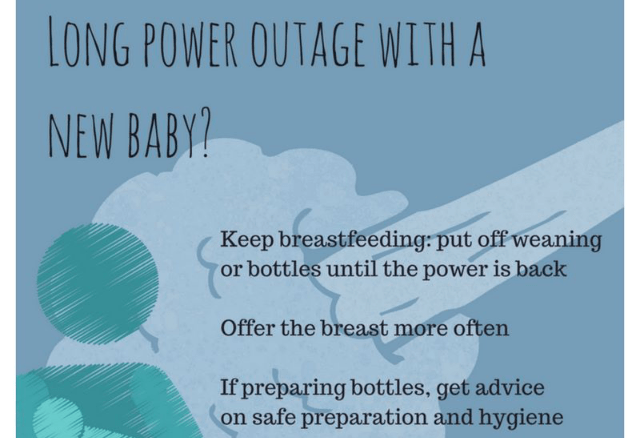
More recently, in response to the arrival of Hurricane Ophelia in Ireland and the UK, the WBTi team has joined in setting up a social media awareness campaign on protecting infants and young children in emergencies, using memes like the one below to communicate key concepts on the Safely Fed UK Facebook page.

Safely Fed UK Power Outage

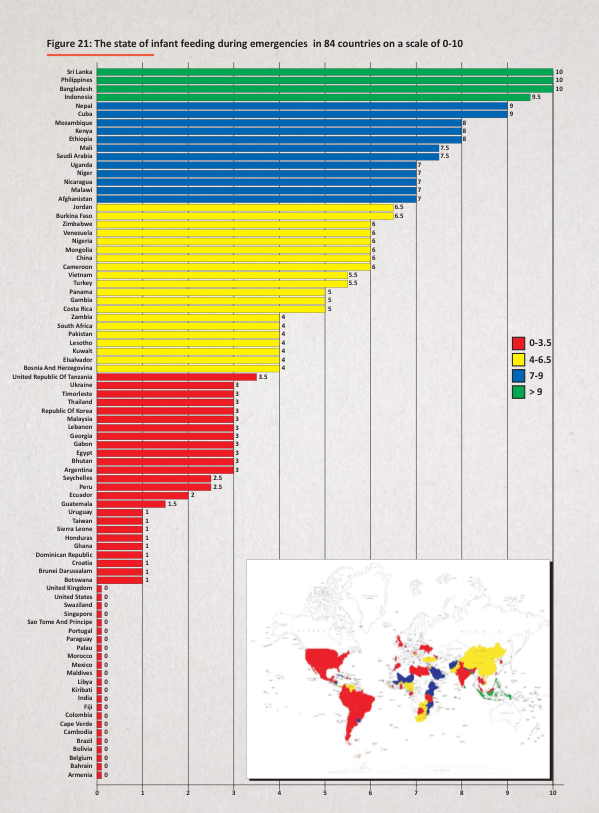
Ind 9 global

Gaps in policies worldwide

Yet around the world, the WBTi global report has found that planning for infants in emergencies is one of the weakest policy areas in infant feeding in many countries.

Global guidance and recommendations

The World Health Assembly (WHA), composed of delegations from all our countries, has recognized the importance of including planning for infants and young children in all disaster-preparedness planning. WHA Resolution 63.23 calls on all nations to incorporate the international standards outlines in the Operational Guidance on Infant Feeding in Emergencies

Ops Guidance IFE 2017

The newest update of the Operational Guidance has just been published by the international Infant Feeding in Emergencies Core Group, which brings together leading humanitarian organisations and experts working in this field.

Planning for the protection of infants in emergencies in the UK

The WBTi assessment of UK policy in 2016 found that there is no central national strategy on infant and young child feeding in emergencies, but that emergency planning is devolved to local areas.

(See Indicator 9 on UK policy on planning for infants in emergencies here ) 

Our first Anniversary Forum, to be hosted by Alison Thewliss MP, chair of the All Party Parliamentary Group on Infant Feeding and Inequalities, at the Houses of Parliament in November, will bring together emergency planners, members of Local Resilience Forums, government agencies, researchers and infant nutrition specialists to explore how protecting infants and young children can be woven into the UK emergency-preparedness system.

In December, the Lactation Consultants of Great Britain will be hosting a specialist training on infant feeding in emergencies in developed countries, led by the Safely Fed Canada team, aimed at public health officials, emergency planners, specialist health visitors working with vulnerable populations and refugees, and infant feeding leads.

Disasters can and do occur in the UK, and we need to be prepared.

Banner illustration:
Created by Michelle Pensa Branco from Safely Fed Canada for Safely Fed UK: Infant and Young Child Feeding in Emergencies Facebook page 

Helen Gray IBCLC photo

Helen Gray IBCLC is Joint Coordinator of the World Breastfeeding Trends Initiative (WBTi) UK Working Group. She is on the national committee of Lactation Consultants of Great Britain, and is also an accredited La Leche League Leader. She represents LLLGB on the UK Baby Feeding Law Group, and serves on the La Leche League International special committee on the International Code.
 

Happy 6 month anniversary to us!

Happy 6 month anniversary to us!

WBTI reports
The first WBTi assessment of the UK was launched 6 months ago today in Parliament, hosted by Alison Thewliss MP, chair of the Infant Feeding and Inequalities All Party Parliamentary Group.

Huge thanks to Alison and the APPG, and to all the amazing organisations in our Core Group who worked together to identify gaps in UK policy and programmes in infant feeding, and to jointly generate recommendations for Action!

The Core Group of organisations and agencies involved in various aspects of infant and maternal health and infant feeding identified gaps in UK policy and programmes and generated joint recommendations for action.

 wbti-core-group-2015.png

WBTi Core Group:
Association of Breastfeeding Mothers (ABM)
Baby Feeding Law Group (BFLG)
Baby Milk Action
Best Beginnings
Breastfeeding Network (BfN)
Child and Maternal Health Observatory (CHIMAT) Department of Health
First Steps Nutrition
Institute of Health Visiting (iHV)
Lactation Consultants of Great Britain (LCGB)
La Leche League GB (LLLGB)
Maternity Action
Northern Ireland infant feeding lead
NCT
National Infant Feeding Network (NIFN)
Public Health England (PHE)
Scotland Maternal and Infant Nutrition Coordinator Start4Life
Unicef UK Baby Friendly Initiative


WBTi Steering Group and main authors:
WBTI steering group

From left to right:
Ayala Ochert, Alison Spiro, Helen Gray, Clare Meynell, Patricia Wise, Liz McGregor