Doctors and breastfeeding 2: Resource list

Doctors and breastfeeding 2: Resource list

World Breastfeeding Trends Initiative UK (WBTi)

Uses the WBTi Assessment Tool to score a country’s support for breastfeeding according to 10 key indicators based on evidence-based strategies in the 2003 WHO Global Strategy for Infant and Young Child Feeding: 

So far, 97 countries have produced a WBTi report: https://www.worldbreastfeedingtrends.org/

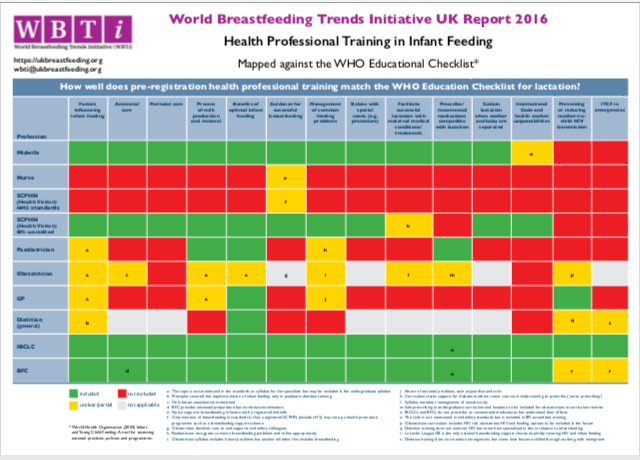
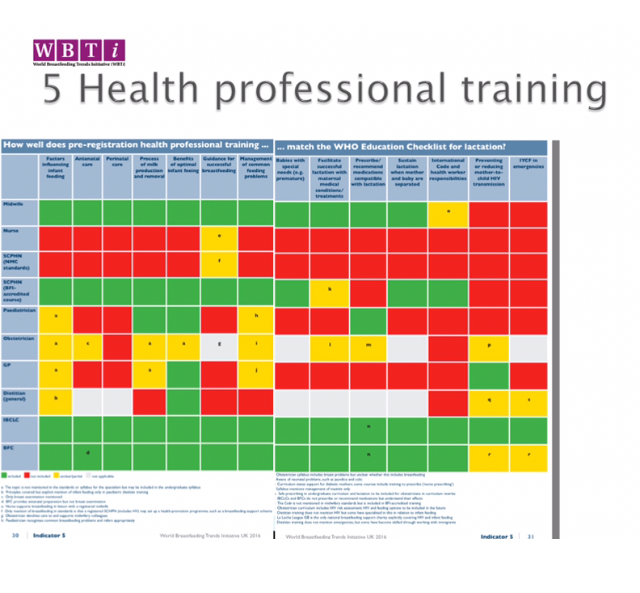
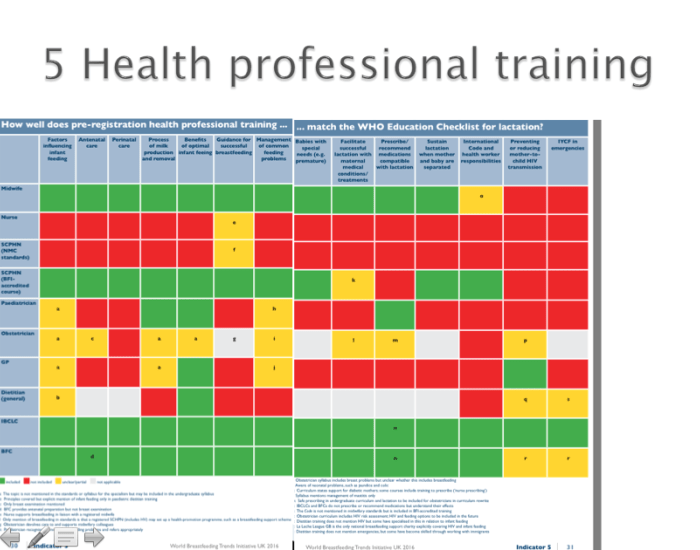
2016 WBTi Report on the UK : see Indicator 5 for health professional training, with the main summary table in Part 1 and details for individual professions in Part 2.

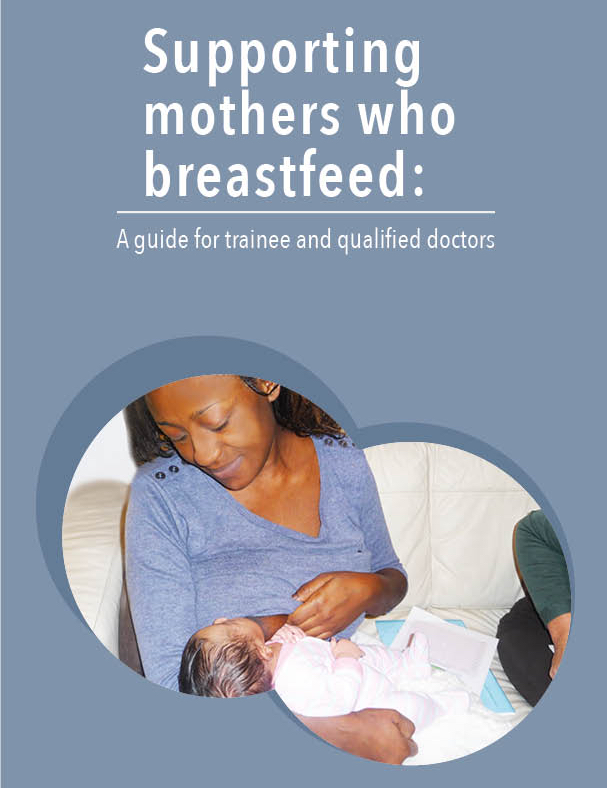
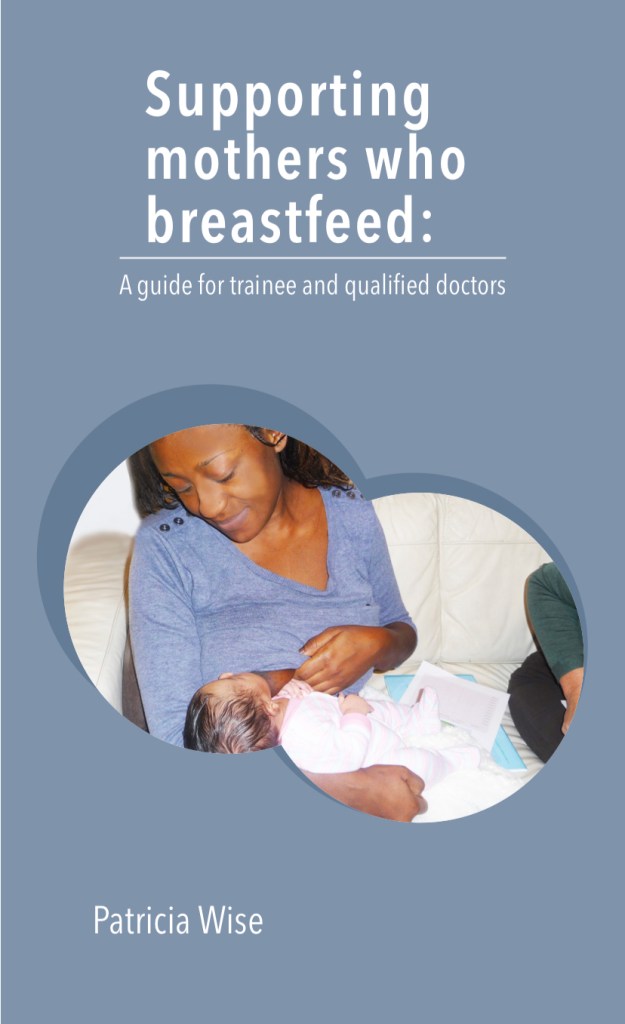
e-book by Patricia Wise of WBTi UK: free downloadable PDF, Supporting mothers who breastfeed: A guide for trainee and qualified doctors

Baby Feeding Law Group (BFLG)

Working to protect all babies by strengthening UK laws on infant feeding in line with UN recommendations

Publications include: Comfort milks, lactose-free infant milks and anti-reflux milks: Why these products should be removed from shop, supermarket and pharmacy shelves

Breastfeeding Network

* Breastfeeding Network Drugs in Breastmilk Information

* Drug fact sheets: https://www.breastfeedingnetwork.org.uk/drugs-factsheets/

 New e-learning module Supporting breastfeeding mothers with thrush £30: www.breastfeedingnetwork.org.uk/product-category/training/

e-learning for Healthcare

e-LfH programmes: https://www.e-lfh.org.uk/programmes/

Programmes include: Breastmilk Provision for Preterm and Sick Neonates,

Infant Feeding: supporting education around the implementation of Baby Friendly standards in infant feeding

First Steps Nutrition

Public health nutrition charity providing independent information and resources to support eating well from preconception to five years old: 

Information on infant milks for health workers

booklets available as free PDFs include: Infant milks in the UK: A practical guide for health professionals: 

*GP Infant Feeding Network (GPIFN)

The website is a clinical resource for GPs.

GP Education

Maternal mental health

 GPIFN Resources

iMAP (International Milk Allergy in Primary Care Guideline 2019)

Hospital Infant Feeding Network (HIFN)

The website provides information on supporting breastfeeding in a hospital setting, and there is also a network with a Facebook page.

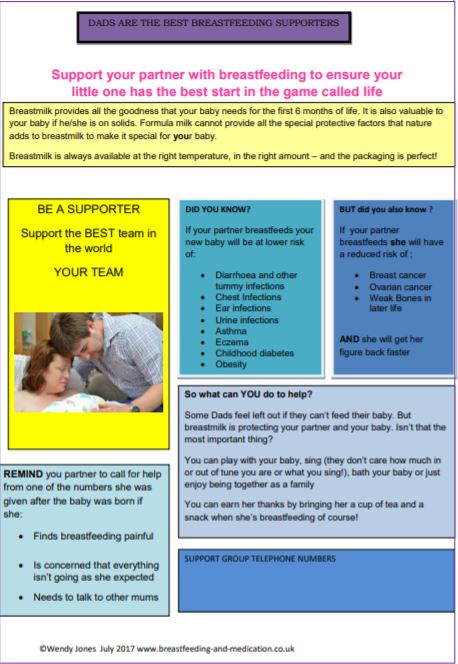
HIFN posters on various aspects of caring for breastfeeding women in hospital

* Don’t stay stop look it up campaign on prescribing for breastfeeding women

Human Milk Foundation

Working to help more families feed their babies with human milk

Hearts Milk Bank: Redefining the boundaries of human milk donation

Lactation consultants of Great Britain (LCGB)

Professional association for International Board Certified Lactation Consultants (IBCLCs)

The crucial role of breastfeeding: supporting mothers with anxiety and depression Handout

Breastfeeding: a vital part of the first 1001 Critical Days. Briefing on the impact of breastfeeding on brain development and infant mental health.

Parenting Science Gang

A user-led citizen Science project

Breastfeeding and Health Care Experiences project

Personal Breastfeeding Experience of Health Professionals and Professional Practice

Royal Colleges

Royal College of GPs (RCGP):  Breastfeeding Position Statement and link to online resource on breastfeeding

Royal College of Paediatrics and Child Health (RCPCH):  Breastfeeding position statement

* UKDILAS: UK Drugs in Lactation Advisory Service

Enquiry-answering service, fact sheets and database on drug prescribing during breastfeeding

Unicef UK Baby Friendly Initiative

Working with public services to support families better with infant feeding and developing close loving relationships through training and accreditation

e-learning packages for GPs and paediatricians

Resources list

Recommended learning outcomes for different specialisms of healthcare practitioners

Include learning outcomes for medical students

Other resources

Facebook group: Breastfeeding for Doctors Peer Support

* ed. Amy Brown and Wendy Jones (2020) A guide to supporting breastfeeding for the medical profession Routledge

* Wendy Jones (2018) Breastfeeding and Medication Routledge 2nd edition

Key: * relevant to prescribing

WBTi UK Doctors and breastfeeding project 2020

Vision: That all doctors have sufficient training in infant feeding to protect the decisions of mothers who want to breastfeed.
Doctors and breastfeeding: 1

Doctors and breastfeeding: 1

Doctors have an important role to play in supporting mothers who want to breastfeed.

A continuing theme of the WBTi UK work is improving medical training in infant feeding such that all, not just some, doctors have sufficient knowledge and understanding of breastfeeding to protect the decisions of mothers who want to breastfeed. Enabling more mothers to continue breastfeeding would improve infant and maternal health, reduce NHS costs (Renfrew et al) and reduce the number of GP appointments (Pokhrel et al, 2015).
Supporting Mothers Who Breastfeed, by Patricia Wise.
E-book downloadable from the WBTI website

On 16 January WBTi UK held an evening event at the Burfoot Court room at Guy’s Hospital on this topic to celebrate the third anniversary of the launch of our report. The event was well-attended with a mixture of doctors, breastfeeding supporters and other professionals. There were several presentations and a display of relevant resources. Bringing the resources together made it obvious that actually there are plenty available. For example, there are the Baby Friendly learning outcomes for different professions, my free book Supporting Mothers Who Breastfeed: A Guide for Trainee and Qualified Doctors, on the WBTi website, particularly aimed at medical trainees, and the e-learning for Healthcare modules for educating and training the health and social care workforce. There is a great deal of information on the GP Infant Feeding Network (GPIFN) and Hospital Infant Feeding Network (HIFN) websites and the new book edited by Amy Brown and Wendy Jones, A guide to supporting breastfeeding for the medical professionwith chapters by different specialists, is practical and comprehensive; all royalties from sales of their book will go to the Human Milk Foundation. Sources of information on prescribing include the UKDILAS website (UK Drugs in Lactation Advisory Service) and the Breastfeeding Network website information and Breastmilk Information Service. 

To access the full list of resources see our next blog.

In the first presentation at the event, Clare Meynell and Helen Gray briefly explained a WBTi assessment and some of the report findings, but also mentioned progress made in the past 3 years. This includes the requirement in the NHS Long-Term Plan for all maternity services to achieve Baby Friendly status, and local Maternity systems in England asked to produce a breastfeeding strategy as part of the implementation of Better Births and the National Maternity Transformation Programme (which are now aligned)

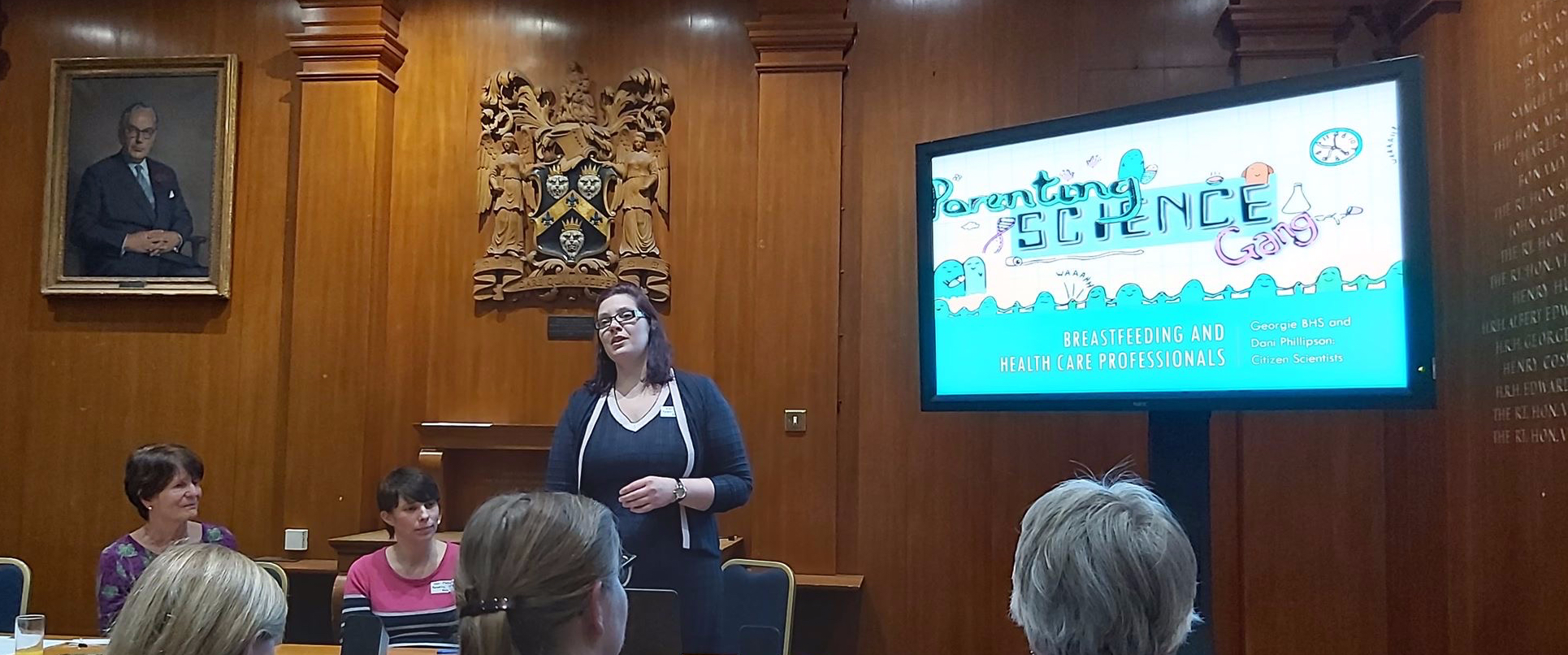
Georgie BHS and Dani Phillipson from the Parenting Science Gang

Georgie BHS and Dani Phillipson from the Parenting Science Gang, which runs citizens’ science projects using mothers to collect evidence, spoke next. They described the breastfeeding and healthcare experiences project (inspired in part by the WBTi findings on health professional training) with its subsidiary small project of 8 interviews looking at healthcare professionals’ own experiences of breastfeeding on their professional practice. From the themes identified, PSG has produced MILK cards to guide health professionals:

  • Mothers’ voices matter
  • Investigate common issues, but also
  • Look for underlying causes§
  • Know where to find information

GP Dr. Terri Lovis (seen in banner photo above) described how the GP Infant Feeding Network (GPIFN), initiated by Dr. Louise Santhanam, was set up as a pharma free network to improve the quality of support in infant feeding with the work provided voluntarily. The website is a comprehensive educational resource for primary care and there is partnership with the Hospital Infant Feeding Network (HIFN). Additional achievements include working collaboratively with IMAP (International Milk Allergy in Primary Care Guidelines) to produce the 2019 version and bidding successfully with PHE and Surrey Heartlands to train Infant Feeding champions across Surrey (as Norwich already does).

Dr Natalie Shenker from the Human Milk Foundation

The fascinating keynote presentation was by Dr. Natalie Shenker on Doctors and Breastmilk, and included the initiation of the Human Milk Foundation in 2017 and the work of the Hearts Milk Bank, which she co-founded with Gillian Weaver. The Milk Bank is involved in research as well as providing pasteurised donor milk.

The challenge is how to enable all medical students, trainees and qualified doctors to acquire an adequate minimum standard in infant feeding knowledge and skills. Yes, there is a huge amount that they need to know in total but being breastfed as an infant can make such a difference to the health of baby and mother (not to mention the environmental sustainability of breastfeeding!) that it is crucial to include. Some examples of what is already being done to help achieve this:

  • Imperial College Medical School is running a programme in which medical students are allocated to follow a mother from the end of pregnancy until the child is 3 years old.
  • Norwich CCG has a GP Champion in Infant Feeding scheme, which Surrey Heartlands is also rolling out, in which the champion receives training and disseminates the learning throughout the practice.

Imagine if all medical schools ran such a programme and all GP practices had a breastfeeding champion!

Banner photo: Dr. Terri Lovis

Patricia Wise is the author of ‘Supporting Mothers Who Breastfeed: A Guide for Trainee and Qualified Doctors’. She is an NCT Breastfeeding Counsellor and tutor, and a member of the WBTi UK Steering Group

New e-book on breastfeeding for doctors and trainees

New e-book on breastfeeding for doctors and trainees

Background

Doctors have an important role to play in supporting mothers who are breastfeeding, through providing encouragement, accurate information and signposting to sources of specialist and peer support. Their impact can be significant because doctors and their advice are held in such high regard, and this is particularly important in the UK, where a mother’s intention to breastfeed can so easily be undermined.

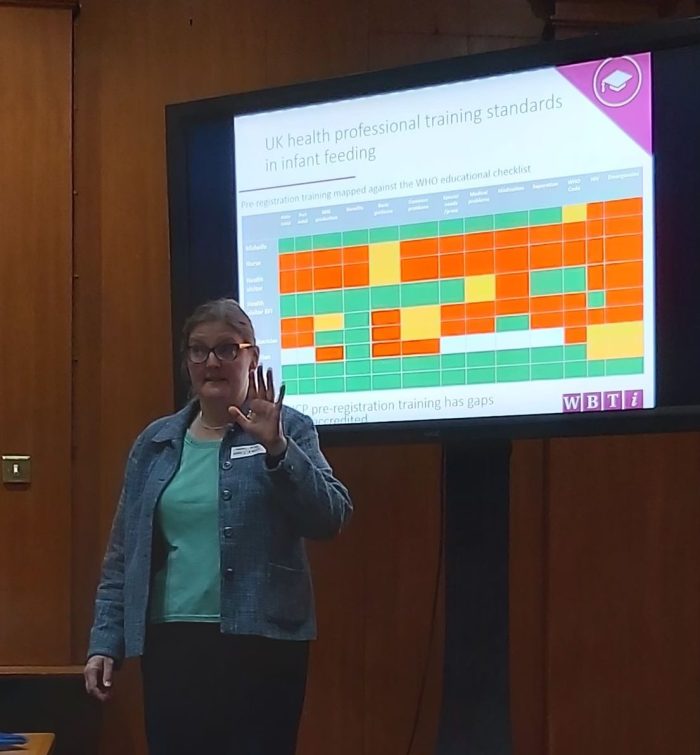
There are doctors who have made themselves really knowledgeable but sadly the UK universal standards for pre-registration medical training in breastfeeding have significant gaps, as shown by Indicator 5 of the WBTi 2016 report (see Part 1 for the summary table below, and Part 2 for the details of standards for different health professions)

Curriculum developments

However, there have been some positive changes since the publication of the WBTi UK report.

Paediatrician training

Level 2 of the RCPCH general curriculum for paediatricians (section Capabilities in Health Promotion and Illness Prevention) has been revised and lists more breastfeeding topics (https://www.rcpch.ac.uk/sites/default/files/2018-03/rcpch_progress_curriculum_level_2_generic_syllabus_for_use_from_1_aug_2018.pdf).

GP training

GP training has also been revised by the RCGP with more mentions of breastfeeding/ infant feeding in the topic guides on Children and Young People and Maternity and Reproductive Health (https://www.rcgp.org.uk/-/media/Files/GP-training-and-exams/Curriculum-2019/Curriculum-Topic-Guides-300819.ashx?la=en).

The WBTi UK team contributed to both curriculum consultations.

GP Infant Feeding Network and Hospital Infant Feeding Network

Dr. Louise Santhanam founded the GP Infant Feeding Network (GPIFN) in 2016 and in 2019 Drs Vicky Thomas and Ilana Levene launched the Hospital Infant Feeding Network (HIFN), which are valuable resources for medical professionals. See our series of three guest blogs from HIFN: Launch of HIFN, #DontStopLookItUp campaign on prescribing for breastfeeding women, and free posters on breastfeeding issues in the hospital setting.

New learning outcomes published by Unicef UK Baby Friendly Initiative

Doctors have a long training so there needs to be input at different stages of training and also encouragement for already qualified doctors to update. A group looking at this was initiated by the WBTi team and went on to be led by Unicef UK Baby Friendly Initiative, and chaired by paediatrician Charlotte Wright. Unicef UK Baby Friendly launched the resulting infant feeding learning outcomes in World Breastfeeding Week, with accompanying resources expected to follow soon (see our August 2019 blog). These are intended as a guide for training for various health professions from undergraduate courses through to the point of qualification.

New online book for trainee doctors

My book, Supporting mothers who breastfeed: a guide for trainee and qualified doctors, is primarily for trainee doctors but relevant to qualified doctors too. At the trainee stage they have specialised and are working clinically. The book provides a combination of factual knowledge about breastfeeding and an insight into mothers’ experiences. It includes some examples of good practice in responding to common situations and ends with a short quiz. It is available on the WBTi website (https://ukbreastfeeding.org/supporting-mothers-who-breastfeed-a-guide-for-trainee-and-qualified-doctors/) as a free PDF. Being electronic, it is easy to click on links to be taken to references and sources of further information, and can be updated more readily than a paper book. 

I am very grateful to Charlotte Wright, who is Professor of Community Child Health at the University of Glasgow and a consultant paediatrician, for writing the foreword.

If you know any trainees or qualified doctors, perhaps you would pass the weblink to them.

You can sign up to our mailing list HERE

You can also sign up to follow our blog, or follow us on Facebook or Twitter at @wbtiUK

Patricia Wise is an NCT Breastfeeding Counsellor and tutor, and a member of the WBTi UK Steering Group

Launch of learning outcomes for health workers

Launch of learning outcomes for health workers

At the start of World Breastfeeding Week, Unicef UK Baby Friendly Initiative launched a new set of resources: recommended learning outcomes for several health professional groups.

New Unicef Baby Friendly learning outcomes for health professional training

It had been announced at the Baby Friendly conference in 2018 that learning outcomes and resources were being produced.

Addressing gaps

WBTi UK Indicator 5: Health professional training

The WBTi report in 2016 (see Indicator 5 in Part 1 of the WBTi UK report for the above table, and Indicator 5 in Part 2 for the detailed findings for each UK health profession) showed that for most health professions in the UK, the coverage of infant feeding in pre-registration training was inadequate. In some case only broad standards are given and the individual universities develop their own curricula.

The infant feeding learning outcomes launched by BFI are for a range of newly qualified health professionals so they ‘articulate the minimum knowledge and understanding of infant feeding that it would be reasonable to expect from a health practitioner at the point of qualification’. There are slightly different ones for the following five groups:

  • doctors
  • dietitians
  • pharmacists
  • children’s nurses
  • maternity support workers/nursery nurses.

For each of these professional groups the learning outcomes are grouped into three broad themes:

  1. The value of human milk and breastfeeding.
  2. Supporting infant feeding.
  3. Infant feeding in context, which includes understanding the importance of the International Code. 

They are intended as ‘a stimulus to universities and others to start to consider what should be covered in relevant curricula and training, and then to take action to make that a reality.’ 

One useful recommendation is that ‘A mapping exercise can help the university to assess how far the topics are already covered and assessed in the curriculum, and to identify and plan for any additions to modules or design alternations needed.’ Plans for the resources ‘include a slide pack to help lecturers deliver the content to students, e-learning for students and assessment examples’. 

Specific learning outcomes like these, provided they are taken on board by the training institutions, will surely help to achieve a higher and consistent level of knowledge and skills within and between health professions.

Cover photo licensed by Adobe Stock

Patricia Wise is an NCT breastfeeding counsellor and a member of the WBTi Steering Group.

Empowering communities through integrated sustainable solutions #WBW2019

Empowering communities through integrated sustainable solutions #WBW2019

I’m a lactation consultant and writer who has just finished a Masters degree in Health Promotion at Leeds-Beckett University. This blog touches on some of the insights that my studies have given me, not least how data, like WBTi’s reports, can help health promoters create integrated, sustainable solutions that make health a resource to be shared by everyone.

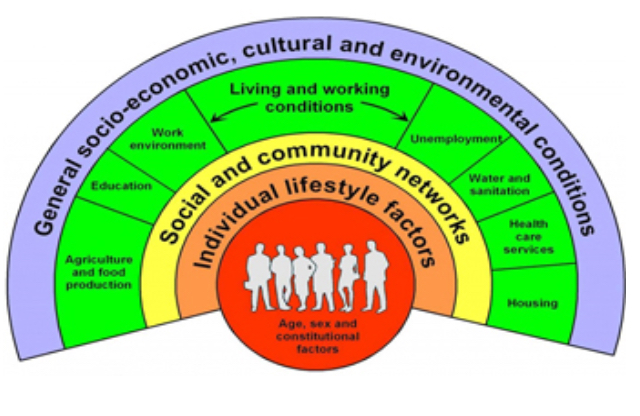
In 1986, the World Health Organization (WHO) Ottawa Charter for Health Promotion defined Health Promotion as “the process of enabling people to increase control over, and to improve, their health.” Whether the focus be on breastfeeding, preventing obesity, supporting mental health or any of the complex (so called ‘wicked’) problems that challenge our societies, it is health promotion’s recognition of the social determinants of health that has most affected my thinking.  All too often our society is quick to blame the individual for unhealthy behaviours; my increased awareness of the social determinants of health, that is, how socio-economic, cultural and environmental conditions determine individuals’ well-being, has changed my perception. It’s given me a heightened awareness of how prevailing political ideologies influence the way we think about society, and how this plays out into how likely (or not) individuals are to be able to make healthy choices throughout the course of their lives. 

“This unequal distribution of health-damaging experiences is not in any sense a ‘natural’ phenomenon but is the result of a toxic combination of poor social policies, unfair economic arrangements …and bad politics.” WHO[1]

To give an example, indicator 6 of the WBTi looks at community-based support, so key to women continuing to breastfeed.[2]In the UK, the recent NHS Long Term Plan’s recommendation of UNICEF UK Baby Friendly accreditation is cause for celebration and will boost the capacity of midwives and health visitors to support breastfeeding in the community.

However, cuts to peer-support services, and the closure of over 1000 Sure Start centres have disproportionately affected poorer members of society. If a mother in the community has persistent nipple pain, no car, no public transport, no money for a lactation consultant and her nearest breastfeeding group is 20 miles away, even with the support of the hard-working volunteers on the National Breastfeeding Helpline, her capacity to protect the health of her family through breastfeeding will be limited. 

Incidentally, the discipline of Health Promotion, while focusing on the up-stream causes of health inequalities, is also focused on empowering communities to participate in the creation of healthier societies. The UK’s WBTi report, under Indicator 6, points out that in England and Wales there is often little coordination between NHS services and peer-supporters, who can offer so much to new mothers. It recommends a range of integrated postnatal services that include voluntary sector breastfeeding support, meet local needs and provide clear access to specialist support.

Integrated breastfeeding support is outlined in the criteria for UNICEF Baby Friendly accreditation for community services:

  • Basic: universal services such as midwives, health visitors, and support workers are trained to BFI standards
  • Additional: a network of trained local peer supporters and support groups
  • Specialist: a referral pathway to specialist help at IBCLC level, for complex cases that cant be resolved by “Basic” and “Additional” support

The guidance and standards on community breastfeeding support from NICE, Baby Friendly and Public Health England are summed up in this “Breastfeeding Support Within Maternity Transformation Plans: Guide to the Guidance” by Better Breastfeeding.

As an individual health promoter, the scale and complexity of the social determinants of health can feel overwhelming. Nonetheless, recognising them sets the challenge to health promoters (in all disciplines, not just those who work in traditional health services or policy) to work empathetically, creatively and collaboratively. After all, ‘Success in breastfeeding is not the sole responsibility of a woman – the promotion of breastfeeding is a collective societal responsibility’ (The Lancet).


[1]Commission on Social Determinants of Health (2008). Closing the Gap in a Generation: Health Equity Through Action on the Social Determinants of Health (PDF). World Health Organization. 

[2]Dennis C (2002) The Effect of Peer Support on BreastFeeding Duration among Primiparous Women: A Randomized Controlled Trial. Canadian Medical Association Journal 166(1):21-8.

Alice Allan is a lactation consultant, writer and communication specialist who has worked in Ethiopia and Uzbekistan on maternal and child health. Her novel, Open My Eyes, (Pinter and Martin) set in an Addis Ababa NICU, recently won The People’s book Prize for Fiction. She currently lives near London with her family and an Ethiopian street dog called Frank.

Breastfeeding and medication: training for pharmacists and counter staff

Breastfeeding and medication: training for pharmacists and counter staff

During World Breastfeeding Week #WBW2019, we are hosting a series of guest blogs exploring how the wider team of health professionals and community breastfeeding support can support breastfeeding families. The WBTi Report found numerous gaps in health professional training in infant feeding, and we are delighted to see a terrific range of resources being developed to address this.

For details of gaps in health professional training, see “Indicator 5” in Part 1 of the WBTi Report for the summary table above and in Part 2 for the detailed findings on each health profession.

In this blog, Wendy Jones MBE discusses gaps in the training of pharmacists (See Indicator 5 in Part 2 of the WBTi report for our detailed findings on pharmacist training) and introduces her new free online educational resources for pharmacists.

On a daily basis I hear that pharmacy staff have advised mothers not to breastfeed whilst taking medication or have refused to sell products such as antihistamines to lactating mothers. This is frustrating for families (and me!) and unnecessary.

We know that there are barriers around breastfeeding and medication:

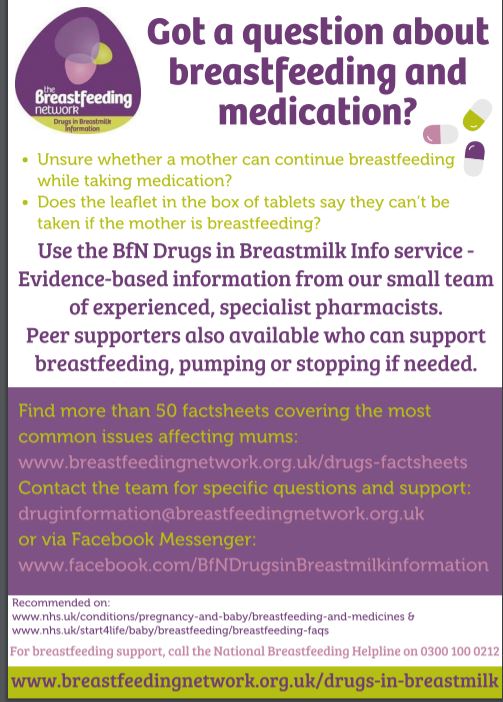
  1. The patient information leaflet – invariably it says that the product should not be used during lactation. This doesn’t imply risk usually rather that the manufacturer didn’t include breastfeeding when applying for marketing authorisation. For more information see this leaflet on the Breastfeeding Network website.
  2. Understanding of the importance of breastfeeding for the future health of mother and child. Sadly breastfeeding, let alone understanding the pharmacokinetics of transfer of drugs into breastmilk, is not covered currently in most undergraduate training. Most knowledge relies on personal experience (Jones W 2000 Doctoral thesis University of Portsmouth. The role of community pharmacy is supporting mothers requiring medication).
  3. Fear of litigation – to sell a medicine outside of its licence application entails taking responsibility. Pharmacists are concerned, rightly so if they do not access evidence-based information (Hale TW Medications and Mother’s Milk, Jones W Breastfeeding and Medication, LactMed , UKDILAS, Breastfeeding Network factsheets)
  4. Time – frequently counter assistants rather than busy pharmacists are involved in sales of simple medications and do not discuss safety in breastfeeding unless asked by the mother.
  5. Time limitations to consult expert sources.

Conflicts of interest

It has come to my attention recently that continued professional development (CPD) materials on infant feeding are being provided free of charge to make pharmacists and staff “Infant Feeding Champion”. Sadly, these are provided by the formula companies and the support of breastfeeding is considerably less than what I would describe as evidence based and full of advertisements for products ranging from nipple shields to nipple creams and specialist formulas.

New free training materials

I decided that I wanted to provide training materials for pharmacists and counter staff free of charge using the knowledge that I have gained over the past 31 years as a qualified, registered breastfeeding supporter as well as pharmacist with a specialist interest in the safety of drugs in breastmilk. The first module can be found here. More modules are underway looking at the pharmacokinetics of drug transfer and the treatment of common conditions.

In the meantime, my message is #DontSayStopLookItUp

I’m happy to be contacted:

and I will send detailed information to mothers and professionals.

 Dr Wendy Jones  MBE

Wendy was one of the founder members of a UK charity the Breastfeeding Network. In her employed life she was a community pharmacist and also worked in doctor surgeries supporting cost effective, evidence-based prescribing. She qualified as a pharmacist prescriber using her knowledge to reduce the risk of heart attacks and strokes in clinics to help patients stop smoking, weight optimisation and control of blood pressure and cholesterol. She feels she was best described as the conscience of the village. Her aim was to run clinics for breastfeeding mums needing medication but never managed it. 

Wendy left paid work to concentrate on writing her book Breastfeeding and Medication (Routledge 2013,  2nd edition 2018), developing information and training material on drugs in breastmilk as well as setting up her own website http://www.breastfeeding-and-medication. She has also published Breastfeeding for Dads and Grandmas (Praeclarus Press) and Why Mothers Medication Matters (Pinter and Martin).

Wendy is known to many from her work on providing a service on the compatibility of  drugs in breastmilk and has been a breastfeeding supporter for 30 years. She is passionate that breastfeeding should be valued by all and that medication should not be a barrier. She has 3 daughters and 5 grandchildren ranging in age from 6 years to 6 weeks. All her family seem as passionate about breastfeeding as she is and currently all 3 of her daughters are breastfeeding. 

She was awarded a Points of Light award by the Prime Minister in May 2018 and was delighted to be nominated for an MBE in the New Year’s Honours List 2018 for services to mothers and babies. She received her award at Windsor Castle in May 2019 from Her Majesty the Queen. 

Hospital Breastfeeding 3: Posters from HIFN

Hospital Breastfeeding 3: Posters from HIFN

During World Breastfeeding Week #WBW2019, we are hosting a series of guest blogs exploring how the wider team of health professionals and community breastfeeding support can support breastfeeding families. The WBTi Report found numerous gaps in health professional training in infant feeding, and we are delighted to see a terrific range of resources being developed to address this.

For details of gaps in health professional training, see “Indicator 5” in Part 1 of the WBTi Report for the summary table above and in Part 2 for the detailed findings on each health profession.

Following on from previous blogs about the launch of the Hospital Infant Feeding Network website and the “Don’t Say Stop Look it Up” campaign, today’s blog looks at another set of resources provided by the Hospital Infant Feeding Network.

As a reminder, the Hospital Infant Feeding Network is a place for hospital health professionals to find out more about facilitating and supporting breastfeeding in a hospital setting. It provides a highly referenced, practical website on relevant topics, and a closed Facebook group for discussion and sharing best practice. For National Breastfeeding Celebration weeks in June, HIFN produced a set of A3 posters aimed at hospital staff in different settings to summarise useful, evidence-based information. These can be downloaded here.

The first two posters look at the reasons for health professionals to support breastfeeding, in term babies and in the neonatal unit setting. Families who are finding breastfeeding difficult are unlikely to find this type of messaging useful so it is important that these are placed to be staff-facing only.

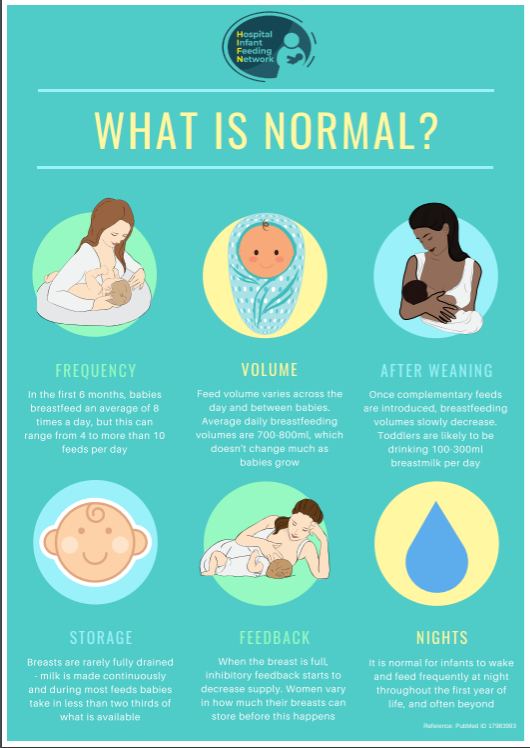
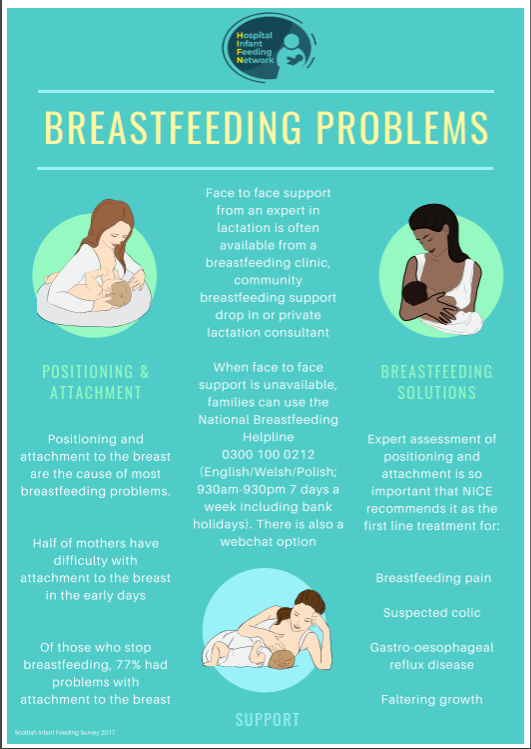
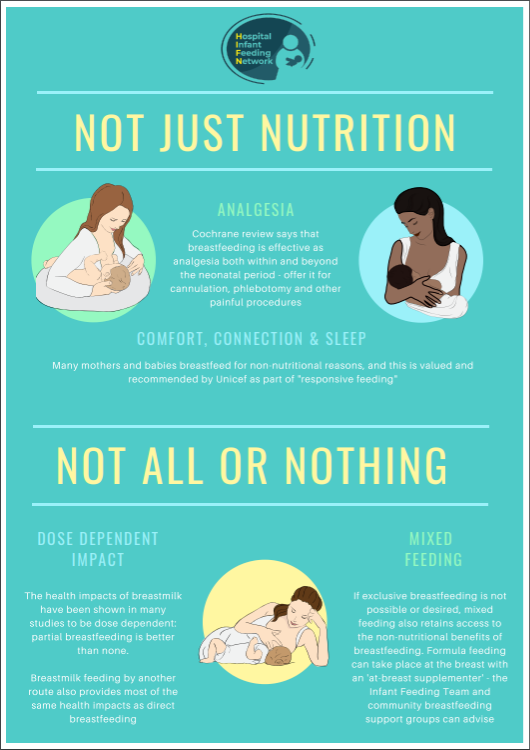
The next three posters look at what is normal, common breastfeeding problems and the non-nutritional aspects of breastfeeding:

The final poster is designed for hospital settings where lactating women might be seen or admitted:

More information about all of these topics is available on the HIFN website.

 Ilana Levene is a paediatric doctor planning to sub-specialise in neonatal medicine and interested in research relating to neonatal nutrition. She lives in Oxford with her husband, an environmental consultant, and two children. She is a trustee of Oxfordshire Breastfeeding Support, a local grassroots network of free weekly breastfeeding drop-ins and online support. She likes cross-stitching and making patchwork quilts.

WBTi’s Twelve Days of Christmas: part 2

WBTi’s Twelve Days of Christmas: part 2

See Part 1 of WBTis’ Twelve Days of Christmas, covering our Indicators 1-6, here

Day 7 – seven swans a-swimming

Swans evoke an image of serenity, even if they’re paddling hard under the water. Support to make breastfeeding more effective can help mothers be calmer and more serene, even though they’re working hard caring for their child or children.

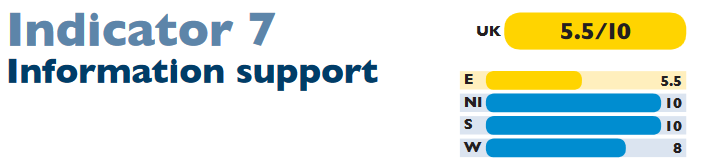
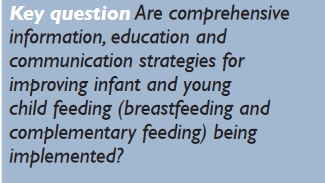
Indicator 7 is about information. There is plenty available, particularly on the internet, but mothers often need help selecting reliable websites. Resources developed since the WBTi report include a new book by Amy Brown (The Positive Breastfeeding Book), a chatbot available on Facebook and and as an Alexa app from PHE, and more breastfeeding information on the Baby Buddy app. 

Indicator 7 also asks whether there is a national communications strategy on infant feeding – while there are strategies in place in Scotland, Northern Ireland and Wales, there is still no communications strategy on infant feeding in England.

In the song, the seven swans represent the seven sacraments, which are Christian rites. There are perhaps seven occasions for a mother when she is in particular need of accurate information about feeding her baby – antenatally, at birth, early days, the challenges when her baby is a few months old, introducing complementary foods, returning to work and stopping breastfeeding.

Day 8 – eight maids a-milking

The maids symbolise beatitudes (blessings) for people considered as unfortunate. Indicator 8 addresses support for HIV+ mothers. There needs to be both appropriate policy and familiarity with the policy by people working with HIV+mothers. In 2016 WHO published revised guidelines recommending that in countries where health services ‘provide and support lifelong anti-retroviral therapy (ART), including adherence counselling, and promote and support breastfeeding among women living with HIV, the duration of breastfeeding should not be restricted.’  In the UK, BHIVA published revised guidelines in 2018. As in its previous guidelines, these still recommend formula feeding for women living with HIV but also explicitly support women who choose to breastfeed, provided they fulfil certain criteria. The new guidelines are more detailed than the previous ones; they encourage openness and respect the importance of breastfeeding for a mother’s own mental health.

If there were more donor milk available, mothers who don’t meet the clinical criteria for breastfeeding outlined by BHIVA could use it and enable their babies to have breastmilk. Then ‘Maids a-milking’ can be thought of as ‘donor mothers expressing’.

Day 9 – nine ladies dancing

Ladies dancing is how the song represents ‘fruit of the Holy Spirit‘ – beneficial attributes of a person or community, such as love, patience, kindness and self-control. 

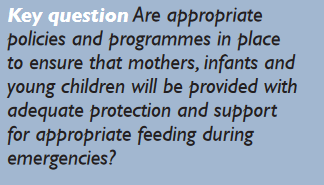
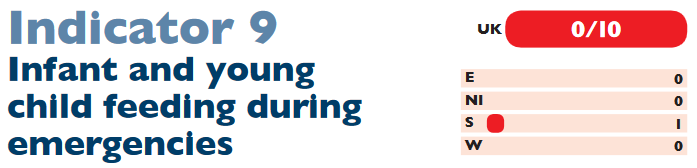
Indicator 9 assesses the extent to which policies and programmes are in place to ensure that infants and young children will be fed appropriately during emergencies. Those acting on behalf of the community in emergencies need to plan ahead to provide care that is beneficial and supports optimal infant feeding.

The WBTi report found that infants and young children had largely been overlooked in emergency planning in the UK. The WBTi team and Ruth Stirton from the University of Sussex Law School organised a well-attended forum at the Houses of Parliament in November 2017 to start raising awareness of the issue, with LCGB holding a study event the following week, and a policy briefing is due to be published in 2019.

WBTi UK joint coordinator Helen Gray has also presented on the issue at several conferences in the UK and internationally, and contributed a chapter on infant feeding in emergencies for parents in Amy Brown’s The Positive Breastfeeding Book.

Day 10 – ten lords a-leaping

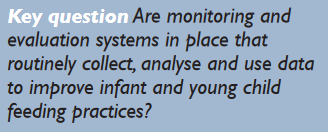
In the song these refer to the Ten Commandments, which are principles for living. Surely that involves monitoring and evaluating actions to ensure they fit with intentions. And Indicator 10 is about collecting data to monitor and evaluate the systems. Scotland carried out its own Maternal and Infant Nutrition Survey in 2017. England currently still just collects data on initiation of breastfeeding and prevalence at 6-8 weeks postpartum, and there is missing data.

The WBTI UK recommendations include extending data collection to include breastfeeding rates at 6 months and one year, by incorporating questions in the existing health visitor contacts.

Day 11 – eleven pipers piping

The pipers symbolise the eleven faithful apostles. There are many people willing to advocate better support for mothers who want to breastfeed, but far more than eleven!

Indicator 11 asks what percentage of babies are breastfed within the first hour following birth. At the time of the report it was 60%. The key action immediately after birth is unhurried, uninterrupted skin-to-skin contact. During skin-to-skin contact in that first ‘magical’ hour the baby shows nine instinctive, distinct and observable stages, which with the mother-baby dyad makes eleven elements. Interrupting skin-to-skin even briefly for routine care disrupts this essential sequence and can impact the baby’s success at reaching the stage of latching on and suckling the first time.

In 2017 Kajsa Brimdyr and colleagues published a paper about the implementation algorithm they have developed for improving skin-to-skin practice immediately after birth; this was also presented at Unicef Baby Friendly UK’s 2018 conference.

Presentation: https://edu.ilactation.com/seminars/47

Will the algorithm be used in UK maternity units?

Day 12 – twelve drummers drumming

The drummers symbolise the Apostles’ creed, which was an early statement of Christian belief.

Indicator 12 is a measure of the amount of exclusive breastfeeding that happens in a country among babies up to 6 months old. The report had to use 2010 data as these were the most recent; the data gave 17%, meaning the total amount of breastfeeding was the same as if 17% of babies were exclusively breastfed to 6 months and the other 83% totally formula-fed.

There is enough evidence for the better outcomes if infants are exclusively breastfed to 6 months for WHO to recommend it since 2003, yet there seems a lot of doubt in UK society about the value of doing so. Somehow the evidence hasn’t become belief for many people. 

WBTi Indicators 1-6 are covered in part 1

Sign up for our mailing list HERE

Patricia Wise is an NCT breastfeeding counsellor and a member of the WBTi Steering Group.


HIV and infant feeding: Part 2

HIV and infant feeding: Part 2

By Pamela Morrison

Part 1 of our update on HIV and infant feeding, by midwife Stefania Mantra, summarises the state of UK policy until 2018, as outlined in the WBTi UK 2016 report.

At the end of 2018, after being under consultation since 2017, the British HIV Association issued two  final guidance documents on HIV and infant feeding:

BHIVA 2018, British HIV Association guidelines for the management of HIV in pregnancy and postpartum 2018

BHIVA 2018, General information on infant feeding for women living with HIV

While it is often generally understood that women living with HIV in the UK should formula-feed their babies due to the risk of transmission of the virus during breastfeeding, it needs to be acknowledged that in the era of effective antiretroviral treatment, those risks may be exaggerated, while the risks of formula-feeding are being down-played. BHIVA are clear in their latest update that while formula-feeding is the usual advice, it is certainly envisaged that some mothers living with HIV in the UK may want to breastfeed and – if they do – then there are fairly detailed recommendations on how to support them (see box).

HIV and infant feeding in BHIVA guidelines for the management of HIV in pregnancy                                            and postpartum 2018
 
Section 9.4. Infant feeding ………….. page 84
  9.4.1 Breastfeeding advice for women with HIV living in the UK ………………. 84 
  9.4.2 Supporting women living with HIV to formula feed ………………………… 85 
  9.4.3 Suppression of lactation ………………………………………… 85 
  9.4.4 Choosing to breastfeed in the UK ………………………….. 86 
  9.4.5 Communication with health professionals …………… 87

The BHIVA guidance has been appropriately developed for the population that it aims to protect.  Research has shown that approximately three-quarters of HIV+ mothers now living in the UK were born in countries (mostly Eastern and Southern Africa) where breastfeeding is the cultural norm.  They want to breastfeed and they may suffer stigma and severe psychological distress if they are counselled not to do so.  Bottle-feeding not only identifies them as being HIV-infected, but also goes against cultural beliefs that breastfeeding identifies a woman as a good wife and mother.

In accordance with national recommendations, all pregnant women should be tested for HIV early in pregnancy. Those who identify as having a new HIV infection should receive appropriate antiretroviral therapy (ART), which will reduce their viral load to undetectable.  Meticulous adherance to her ART will enable a mother to have a vaginal birth with very little risk of transmission of the virus, and – importantly – to also reduce the risk of HIV transmission during breastfeeding to virtually zero*.  I have worked with several HIV+ mothers who wanted to, and with the endorsement and support of their HIV clinicians, obstetric and paediatric teams, succeeded in breastfeeding. The mothers were receiving full antiretroviral treatment, were adherent to their medications, breastfed exclusively for periods ranging from 9 to 26 weeks, (and some of the babies weaned from the breast a little later than that).  The mothers were thrilled with their achievement and all the babies have subsequently tested negative for HIV.   It is commonly assumed that the only option for HIV+ mothers in the UK is formula-feeding, but that is not the case.  Some women want to breastfeed, they do breastfeed, and they are extremely proud of their success.

Mothers’ confidence is increased when they are given consistent information on the safest way to feed and mother their babies. And healthcare providers and infant feeding counsellors can rest assured that the British guidance on HIV and infant feeding is also in line with the WHO/UNICEF Global Breastfeeding Collective Advocacy Brief on Breastfeeding and HIV released for World Aids day in December 2018.

* From the 2018 BHIVA guidance, p 84:

“There are no data on the risk of HIV transmission via breast milk in high-income countries. In low- to middle- income settings, the overall postnatal risk of HIV transmission via breast milk when women are treated with cART has been reported as 1.08% (95% CI 0.32–1.85) at 6 months and 2.93% (95% CI 0.68–5.18) at 12 months, however in these studies women only received cART for 6 months and often breastfed for longer [58]. In the more recent PROMISE trial, women received cART throughout the breastfeeding period, and the transmission rate was 0.3% (95% CI 0.1–0.6) at 6 months and 0.6% (95% CI 0.4–1.1) at 12 months [59].”

pamela morrison, jan 2019

Pamela Morrison IBCLC

Pamela was the first IBCLC in Zimbabwe and worked to facilitate training for, and assess, Unicef Baby Friendly Hospitals there since 1992. She is an expert on infant feeding and HIV and the author of numerous articles and toolkits on the topic.

HIV and infant feeding 2018: Part 1

HIV and infant feeding 2018: Part 1

Stefania Manfra

December 1st was World Aids Day. It is an opportunity to remind people that HIV still exists and there is still much work to do on increasing awareness. Over 101,000 people in the UK are living with HIV and around 5000 are diagnosed each year. There is still considerable ignorance about how people can protect themselves and stigma and discrimination are realities.

This guest blog from Stefania Manfra is a summary of her research and poster at Baby Friendly Conference in November 2018.  Part 2 of our blogs on infant feeding and HIV, by Pamela Morrison, will summarise new guidance that was published in December 2018 for World Aids Day.

It was Spring 2018 when I decided to send the abstract of my dissertation, examining how HIV+ mothers can be supported in making an informed choice on infant feeding options, to the Unicef Baby Friendly Initiative UK with the hope to have it selected as a poster presentation to be displayed at its Annual Conference in Liverpool. How delighted I was when I received the email confirming that my abstract had been chosen!

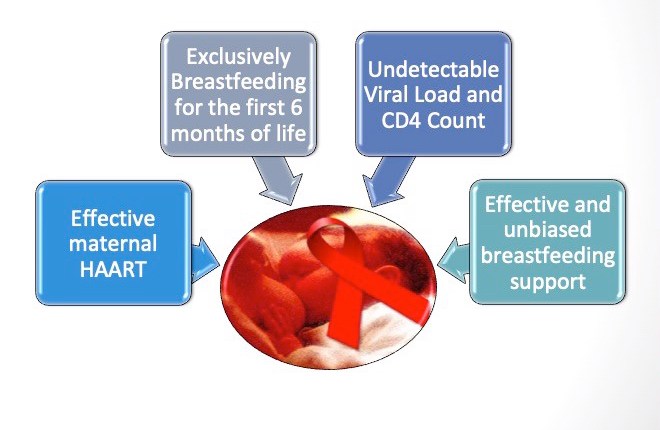
Let’s start by saying that in the UK the infant feeding recommendation in the presence of HIV is primarily to avoid breastfeeding due to the risk of vertical transmission from mother to baby through the breastmilk (BHIVA and Children’s HIV Association (CHIVA), 2010). However, BHIVA and CHIVA (2010) also acknowledge the fact that HIV+ women who are receiving HAART (highly active antiretroviral therapy) and who have an undetectable viral load at birth, may choose to breastfeed for the first six months of the baby’s life. If they wish to do so they should be supported in their choice. In such scenarios, the recommendations are: maternal HAART treatment and short-term infant prophylaxis, exclusive breastfeeding for six months, careful monitoring of maternal HAART adherence and monthly maternal viral load testing alongside infant HIV status (BHIVA & CHIVA, 2010). These recommendations were reviewed in 2014 and retained.

Meanwhile, the updated guidelines on HIV and infant feeding from the World Health Organisation (WHO) (2016) recommend that HIV+ mothers should exclusively breastfeed their infants for the first six months and then introduce complementary food thereafter while continuing breastfeeding for at least 12 months, alongside receiving HAART and being fully supported with the adherence of the therapy, regardless of their CD4 count. This is known as Option B+ (WHO, 2013).

Below are the findings of my review.

Slide1

In developing countries, not breastfeeding is associated with high child morbidity and mortality, particularly related to gastrointestinal problems due to the lack of clean water and sanitation, hence making it unsafe to formula feed. On the other hand, in developed countries, where formula feeding is considered affordable, feasible, acceptable, safe and sustainable (AFASS) (WHO, 2016), bottle-feeding is the recommended choice for HIV+ women.

For that reason, in the UK, infant feeding recommendations in the presence of HIV are primarily to avoid breastfeeding, regardless of maternal viral load or antiretroviral treatment (BHIVA & CHIVA, 2010).

However, BHIVA & CHIVA (2010), also acknowledge that HIV+ women with undetectable viral load at delivery, CD4 count >350 cells and receiving HAART, may choose to breastfeed for the first six months if they wish to do so and should be supported in their choice.

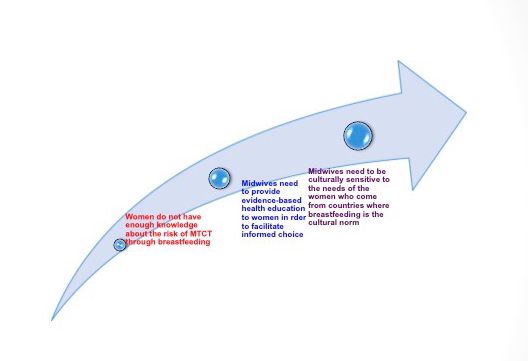
Midwives should provide women living with HIV with evidence-based and unbiased information to enable informed choice and be conversant with current local, national and international guidelines on HIV and breastfeeding.

Likewise, Indicator 8 “Infant Feeding and HIV” from the World Breastfeeding Trend Initiative UK (WBTi) report (2016), found that not all healthcare professionals in the UK receive up-to-date training on this topic. In addition, the feeding method of an HIV-exposed infant does not seem to be recorded. Hence we do not have an accurate number of how many of these infants in the UK are (officially) being breastfed.

In line with the recommendations stated in the WBTi Report (2016), to increase women’s knowledge and to facilitate informed choice, healthcare professionals have a duty to educate women living with HIV on factors affecting vertical transmission and support them in their choice of infant feeding methods, through antenatal health education.
 

References

BHIVA and CHIVA (2010) Position statement on infant feeding in the UK. (reviewed and retained 2014)

World Health Organisation (WHO) (2013) Consolidated guidelines on the use of antiretroviral drugs fro treating and preventing HIV infection.

World Health Organisation (WHO) (2016) Updates on HIV and infant feeding guidelines.

World Breastfeeding Trends Initiative (WBTi) Report on the UK (2016) Indicator 8 – Infant Feeding and HIV. 

Sign up to our WBTi mailing list here!

Stefanie Manfra

Stephania Manfra

I am a newly qualified midwife, in my current Trust for the past 5 months.
I am passionate about breastfeeding and about providing evidence-based, unbiased information to women and their families to help facilitate informed choice.
I am currently embarking on specialist breastfeeding and lactation training. I am also planning to do a Master’s Degree in Advanced Midwifery Practice in the near future.
SAFER MODEL OF BREASTFEEDING WITH HIV